What Is Caregiver Burnout, and How Is It Different From Being Tired or Stressed?
Caregiver burnout is physical, emotional, and mental exhaustion that builds after months or years of caregiving without enough rest, support, or relief. For an adult child coordinating care for an aging parent, it rarely announces itself, it accumulates. Ordinary tiredness lifts after a good night's sleep or a weekend off. Caregiver burnout does not, because the underlying demand, watching over a loved one's medical needs, safety, and daily care, never actually stops.
Stress is the body's normal reaction to a demand. Burnout is what happens when that stress response stays switched on so long it starts to change how the immune system, cardiovascular system, and mood-regulating chemistry function. A tired caregiver still has reserves; a burned-out caregiver is running on a deficit that sleep alone cannot repay.
The Nine Warning Signs of Caregiver Burnout
The warning signs rarely arrive all at once. They accumulate, and because caregivers are often the ones managing everyone else's symptoms, their own often go unnoticed the longest. Family members and the caregiver alike should watch for:
1. Exhaustion that does not improve with sleep
2. Withdrawing from friends, family, and the parts of life that existed before caregiving began
3. Increasing irritability or a short temper with the person receiving care
4. Feeling hopeless, resentful, or emotionally numb
5. Getting sick more often, a sign the immune system is under sustained strain
6. Changes in appetite or noticeable weight change
7. Trouble sleeping even when the opportunity to rest is there
8. Neglecting personal health needs: skipped checkups, missed medications, ignored symptoms
9. A growing sense of dread around caregiving tasks that once felt manageable
Any one of these on its own can be ordinary stress. Several together, especially exhaustion paired with withdrawal and irritability, is the pattern clinicians associate with burnout specifically.
Why Caregiver Burnout Is a Medical Risk, Not a Mood
The same stress hormones that help a caregiver push through a hard week, when left elevated for months, wear down the cardiovascular and immune systems. A 2024 study in the Journal of the American Heart Association, drawn from the national REGARDS cohort, looked at 2,128 family caregivers who also have high blood pressure. Those reporting high caregiving strain were more likely to be physically inactive (44.4% versus 36.2%) and to smoke (19.7% versus 13.9%), and they scored lower on overall blood pressure self-care than caregivers under less strain. The CDC identifies caregiving as a public health issue for the same reason: prolonged caregiving stress is linked to higher blood pressure, slower wound healing, and a weakened immune response.
This is also where mental health and physical health stop being separate categories. Chronic stress hormones affect sleep architecture, blood sugar regulation, and inflammation markers, the same pathways implicated in heart disease and depression. Family Caregiver Alliance and the CDC both report that a large share of family caregivers show clinically significant symptoms of depression or anxiety, not because they are emotionally fragile, but because unrelieved caregiving is physiologically demanding work.
How Caregiver Burnout Affects the Health of the Person Receiving Care
A burned-out caregiver cannot provide the same quality of care, and that gap shows up directly in the health of the loved one receiving it. Medication schedules slip. Follow-up appointments get missed. Subtle changes, a new symptom, a shift in mobility, a medication interaction, are the kind of thing an exhausted caregiver is more likely to miss, especially with a chronic condition that needs consistent monitoring.
Treating burnout as a medical risk protects both people in the relationship. The caregiver's health erodes, and so does the safety net around the person they are caring for. Addressing it early is not indulgent, it is part of protecting the care plan itself.
What Is RN-Led Respite Care, and How Is It Different From Regular Respite Care?
Respite care, in its most common form, means a home care agency sends whichever caregiver or nurse is available that shift to give the family caregiver a few hours off. Because these agencies staff from a call center roster, the person who shows up is often a stranger to the family, and standard home health also caps how much time each nurse spends per patient, limiting continuity and depth of clinical attention by design.
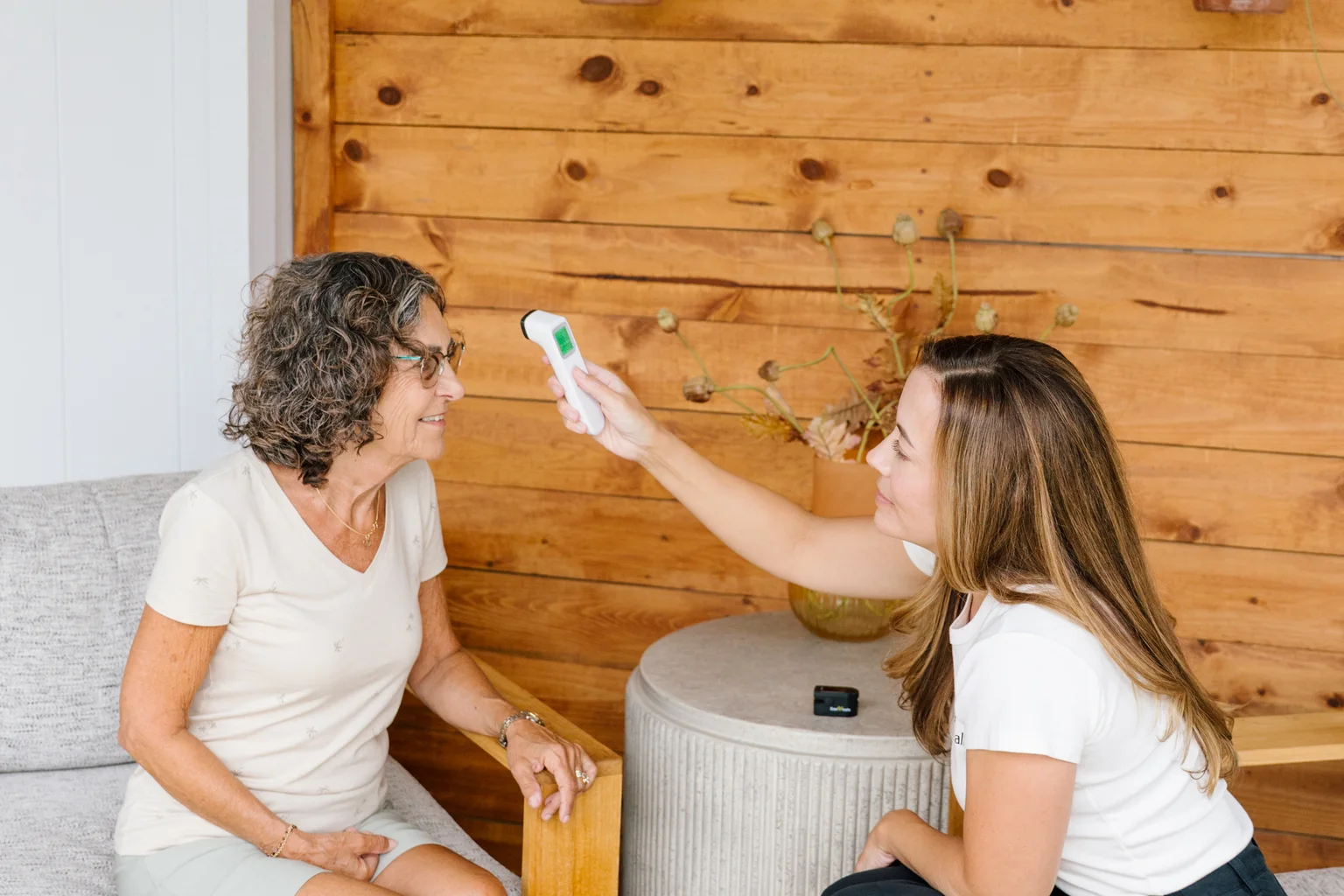
RN-led respite care, delivered through Skilled Nursing Care, works differently. The same Registered Nurse who already knows the family, the medication list, the mobility concerns, and the small details that do not fit in a chart steps in for planned breaks. Nothing has to be re-explained. That is what sets a concierge model apart from a rotating roster: one RN woven into the family's life, not a new face every shift.
How Respite Care Actually Prevents and Reverses Caregiver Burnout
Respite care interrupts the physiology of burnout, not just the schedule of it. A planned break gives the caregiver's stress response time to come back down, protecting both mental and physical health over the long run. Caregivers who use regular respite report better sleep, fewer illnesses, and a measurable drop in the irritability and resentment that mark burnout's emotional signs.
The reset also flows back to the person receiving care. A caregiver returning from a real break, hours or days where someone equally capable is watching over their loved one, comes back with more patience, sharper attention to subtle symptoms, and more capacity to advocate at doctor's appointments. Respite is not time away from caregiving, it is what keeps caregiving sustainable.
How to Know When It's Time to Bring In Respite Care
Families rarely need a clinical checklist to know something is wrong, they need permission to act on what they already sense. If a caregiver is showing three or more of the nine warning signs above, if family has started commenting on the caregiver's own health, or if the caregiver has skipped their own medical appointments to keep up with someone else's, it is time.
Waiting for a crisis is the most common mistake. By the time burnout shows up as a hospital visit for the caregiver or a missed medication for their loved one, the family is managing two emergencies instead of preventing one. Some families explore assisted living at this stage, but RN-led respite is often what makes staying home longer possible instead. Reaching out for support, whether asking a sibling for help, joining support groups, or arranging extra help at home, works best before the caregiver has nothing left to give.
Give Your Family's Caregiver Room to Breathe
Caregiver burnout is a medical risk, not a mood, and the earliest, most effective treatment is relief from an RN who already knows your family. Request a Consultation to build an RN-led respite plan before burnout becomes a crisis.