
The Prata Health Blog
Aging in Place
Articles on aging in place from the nurses who lead the care.
Aging in Place8 min read
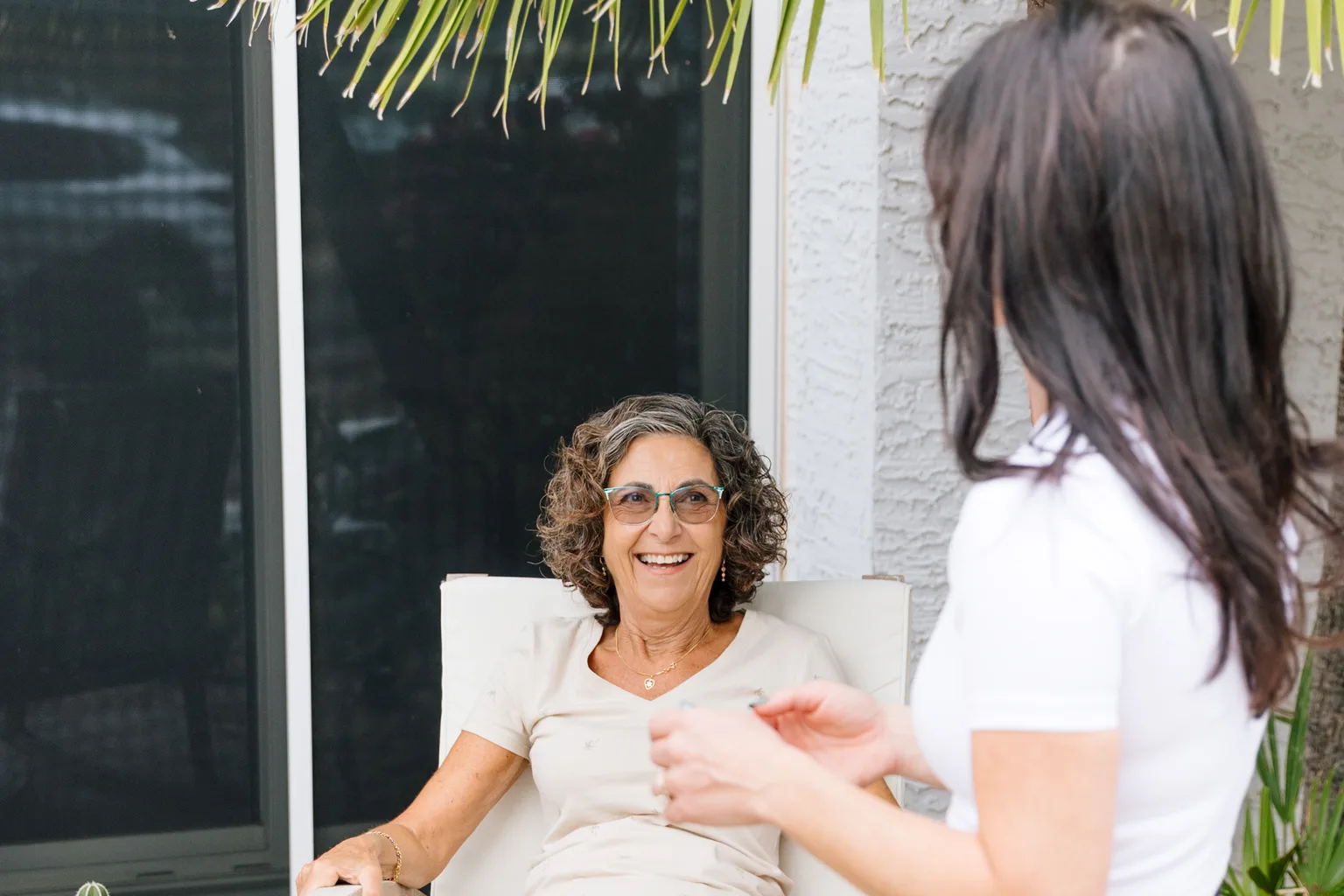
Hospice at Home, Explained: What a Private Nurse Adds Between Hospice Visits
Hospice at home means an interdisciplinary team, typically a registered nurse case manager, a hospice aide, a social worker, and a chaplain, comes to wherever your loved one lives, whether that's a private residence or a care home, and manages the medical side of a terminal diagnosis. The hospice team builds the plan of care, orders medications and equipment tied to the diagnosis, and teaches family caregivers what to watch for between visits.
Aging in Place8 min read
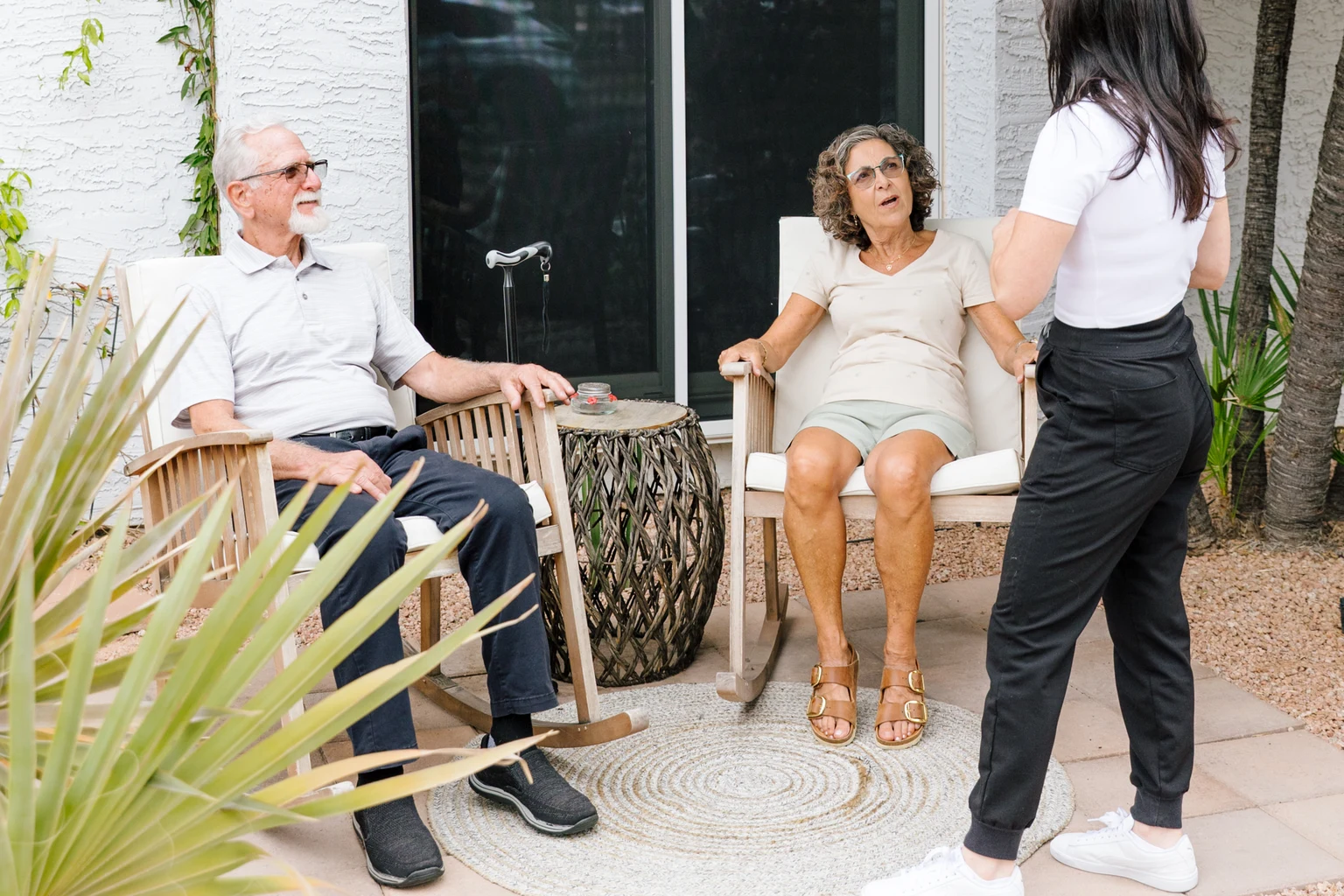
Caregiver Burnout Is a Medical Risk, Not a Mood: 9 Warning Signs and How RN-Led Respite Resets the Whole Family
Caregiver burnout is physical, emotional, and mental exhaustion that builds after months or years of caregiving without enough rest, support, or relief. For an adult child coordinating care for an aging parent, it rarely announces itself, it accumulates.
Aging in Place7 min read
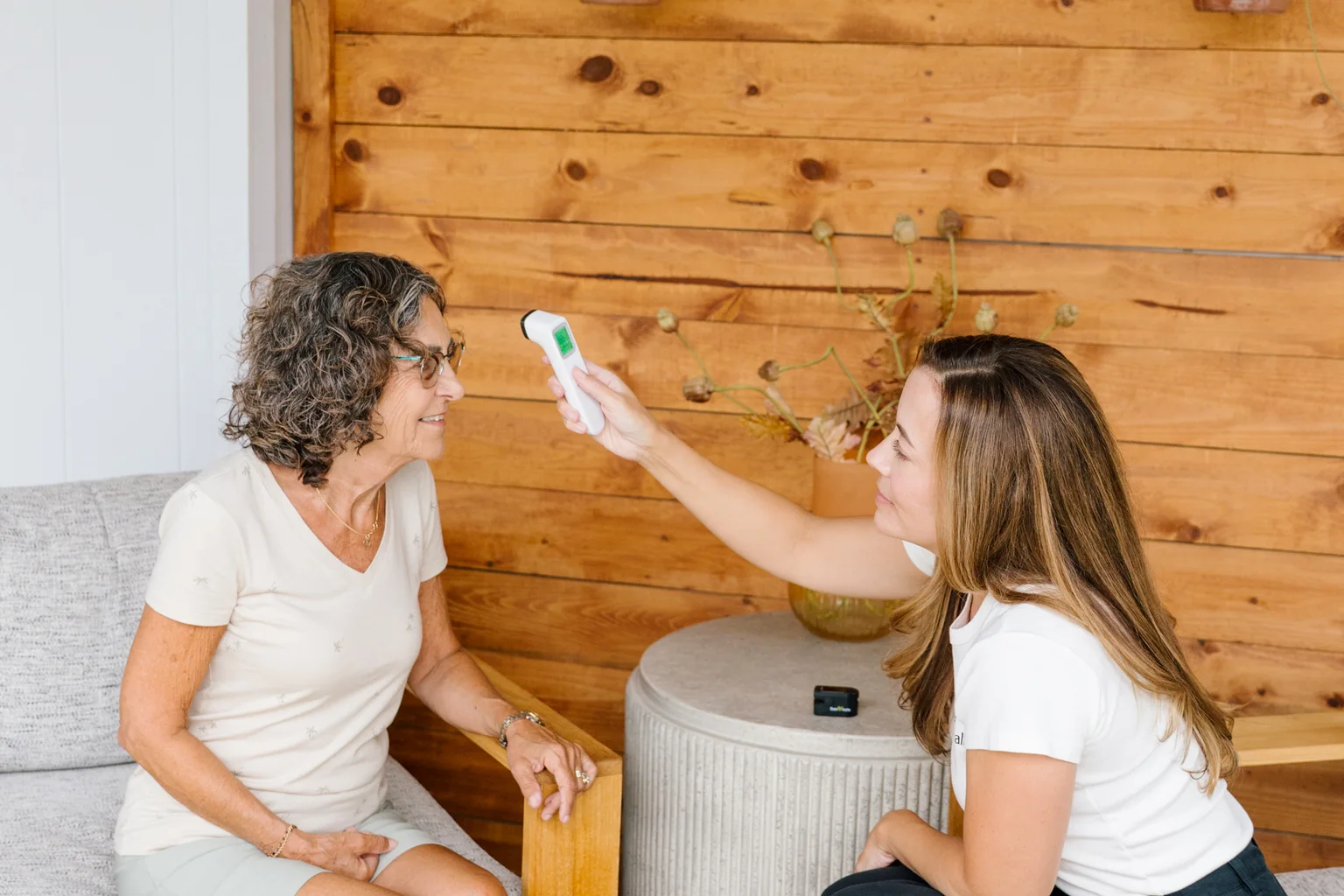
Caring for a Parent With Dementia at Home: A Stage-by-Stage RN Guide for Families
Dementia is a general term for a decline in memory, thinking, and reasoning severe enough to interfere with daily life, and Alzheimer disease is the most common cause, according to the Centers for Disease Control and Prevention. Most families experience the illness in three broad phases: early, middle, and late.
Aging in Place8 min read
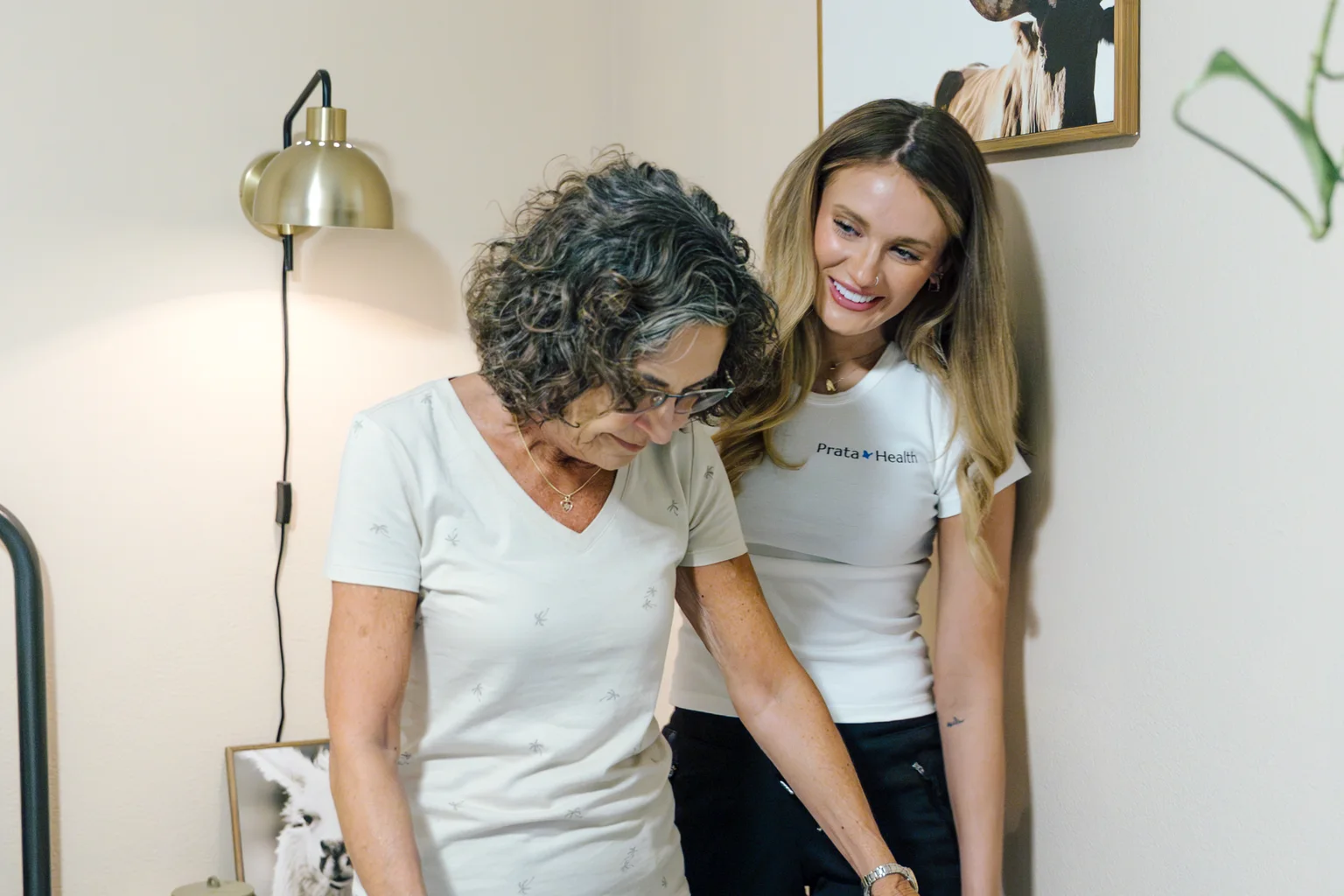
Dementia Care at Home in Arcadia: An RN's Day-to-Day Playbook for Wandering, Sundowning, and Caregiver Relief
Wandering and sundowning are two of the most stressful symptoms families face when a loved one is living with Alzheimer disease or another form of dementia. According to the Alzheimer's Association, most people living with dementia will wander at least once during the course of the disease, often in search of something familiar, such as a former home, a job, or a person from earlier in life, rather than out of simple confusion.
Aging in Place10 min read
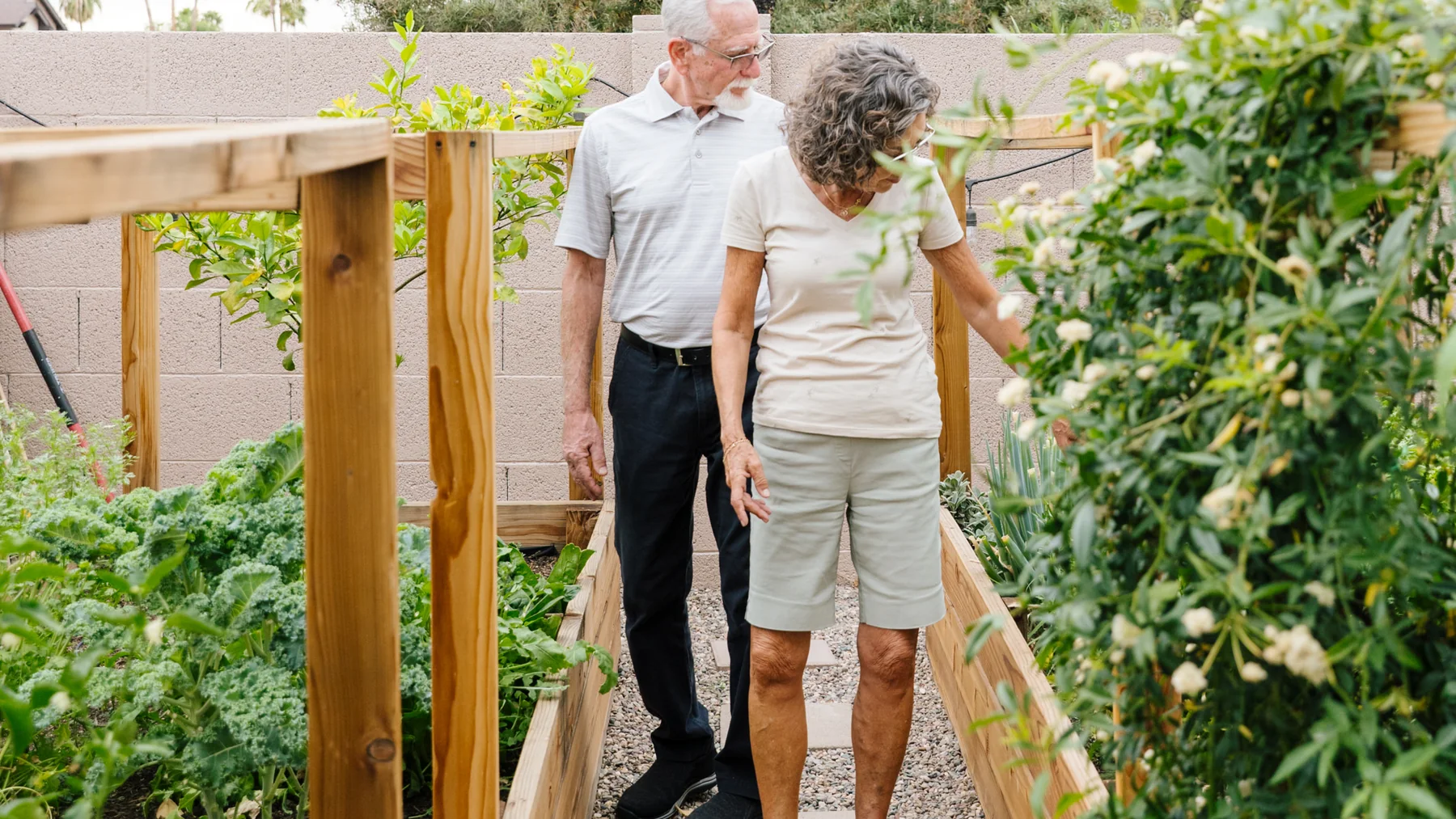
When 24/7 Care at Home Costs Less Than Memory Care: The Hours-Per-Week Crossover for Paradise Valley Families
Whether in-home care or memory care costs more is not a question with one answer. It comes down to exactly how many hours of professional support your loved one needs each week, and knowing where that crossover falls can save Paradise Valley families thousands of dollars per month.
Aging in Place8 min read
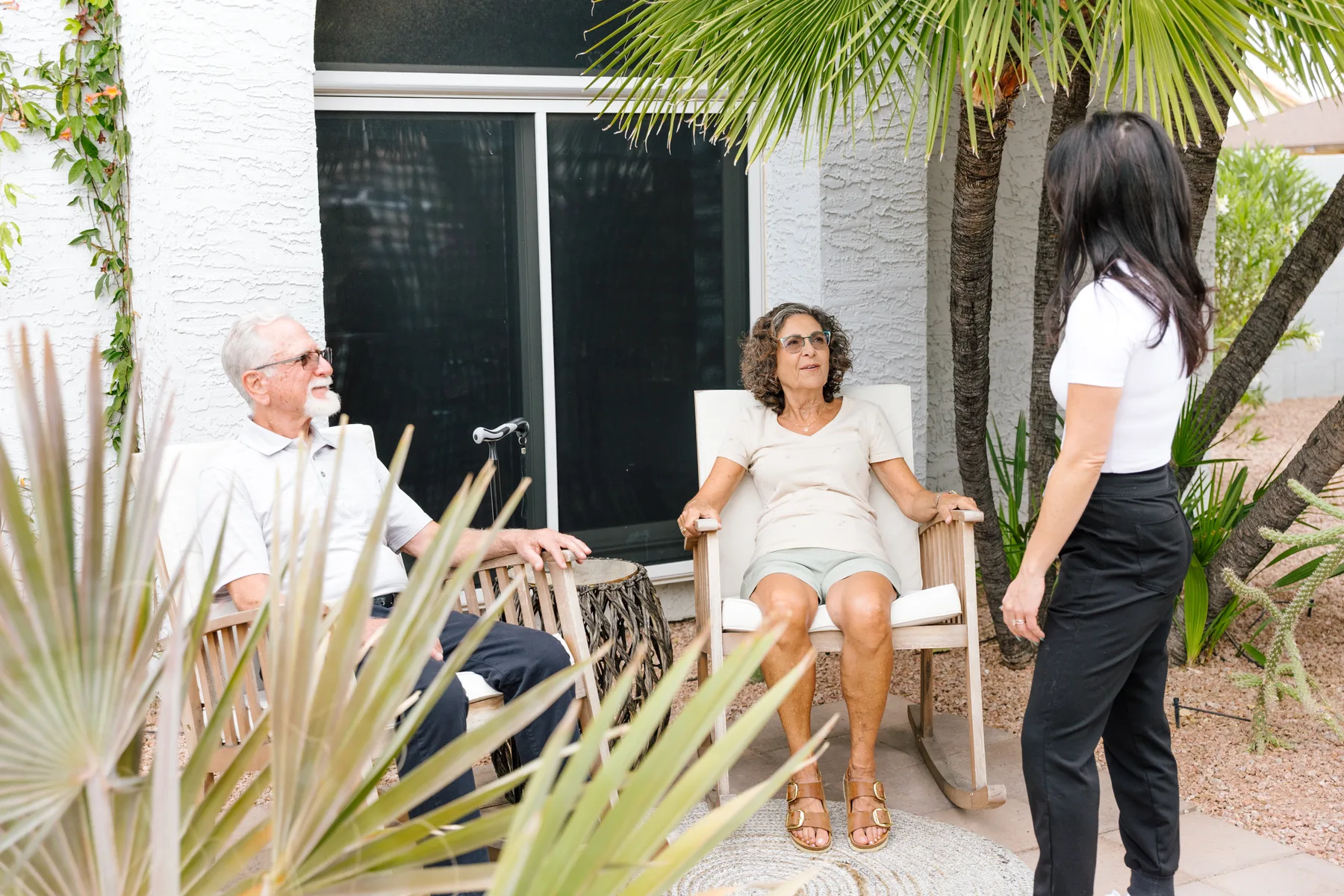
9 Signs Your Aging Parent Needs More Than a Once-a-Week Caregiver
When warning signs cluster together, a weekly visit is no longer a safe care plan. Here are the nine clinical signals that tell families it is time to reassess.
Aging in Place8 min read
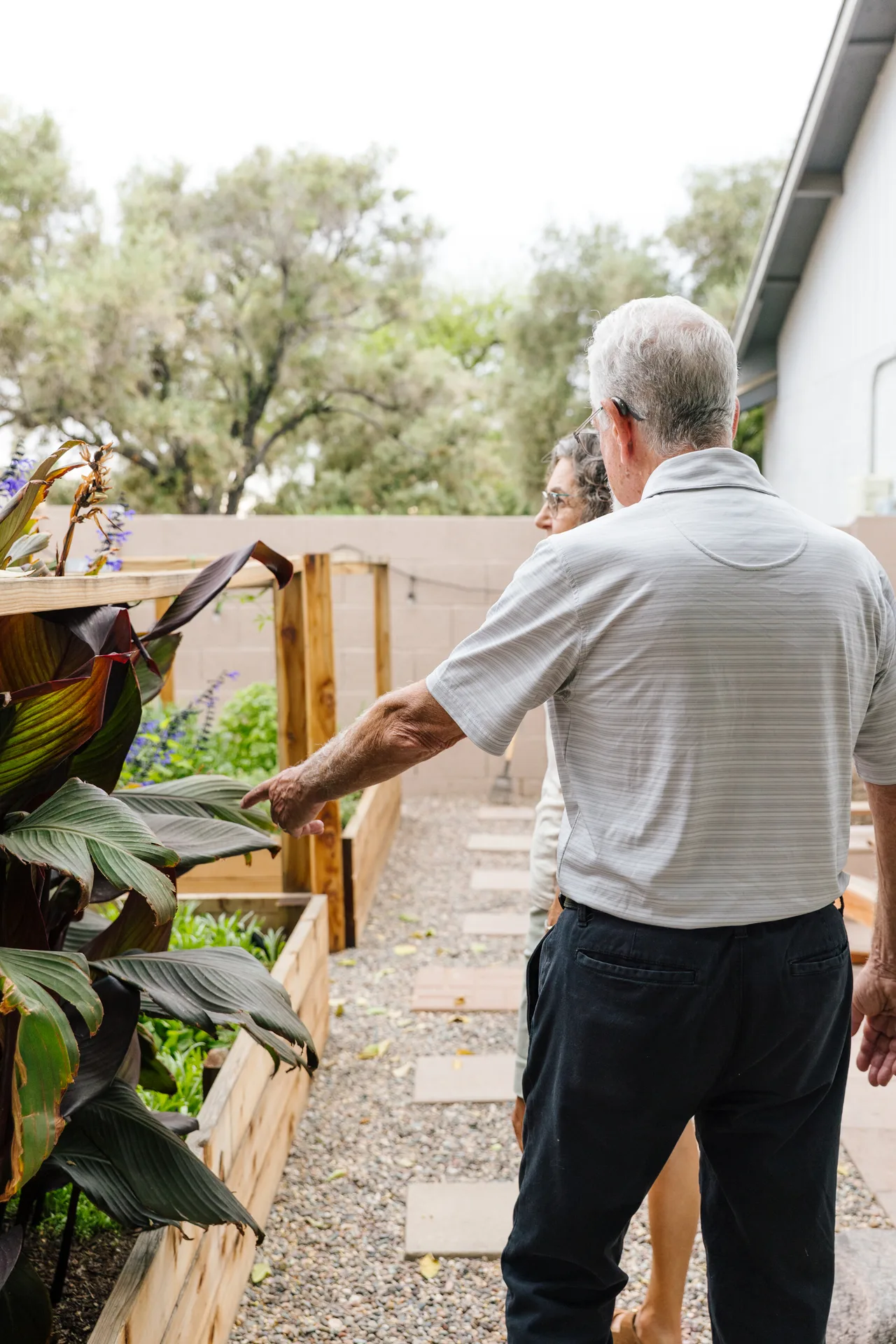
Aging in Place vs Assisted Living vs Memory Care: A Care, Continuity, and Dignity Comparison for Scottsdale Families
When it comes to choosing the right level of care for a loved one in Scottsdale, aging in place, assisted living, and memory care each offer something distinct. This guide walks through what each option actually provides, how cognitive decline changes the decision, and where concierge nursing fits into the picture.

Aging in Place8 min read
The CNA Activity Assistant Model: How a Daily Aide and a 24/7 RN Work as One Team
The CNA activity assistant model pairs a certified nursing assistant with continuous RN oversight, creating a coordinated care team that manages daily living tasks alongside real-time clinical monitoring. Here is how the structure works and why it is fundamentally safer than an unsupervised aide arrangement.
Begin with a conversation
Have a question this blog did not answer?
A consultation is a conversation, no obligation. We listen first, then build the plan around you.