What Should a Family Do First When Someone Is Just Diagnosed With a Serious Illness?
The first 48 hours after a new diagnosis are rarely the time for major decisions. Cancer, a cardiac event, or a progressive condition all arrive with a flood of information, and most families cannot absorb it while also managing appointments and calls from concerned family and friends. Start by naming one person, whether a spouse, adult child, or hired RN, as the single point of contact for every physician's office. Ask the diagnosing physician for a written summary of the diagnosis, staging or severity, and the recommended next steps before you leave that first appointment. Request copies of imaging, lab results, and pathology reports, since specialists you see later will ask for them. Newly diagnosed cancer patients benefit from writing down every question as it comes up. This is also the moment to line up emotional support, whether that is a counselor, a support group, or a care team who has walked other families through the weeks after diagnosis.
How Do You Coordinate Care Between Multiple Doctors After a New Diagnosis?
A serious diagnosis rarely involves one doctor. A cancer diagnosis alone might bring in an oncologist, a surgeon, a radiologist, and a primary care physician within the same month, each with a different office, portal, and set of instructions. Comprehensive centers like MD Anderson Cancer Center build multidisciplinary teams around newly diagnosed cancer patients for this reason: fragmented care between specialists who never speak to each other is one of the most common sources of delayed treatment and medication errors. Most families do not have that kind of built-in coordination once outside a major cancer center, and a hospital discharge planner or surgeon typically hands the family off to a home care agency or skilled nursing provider rather than a single coordinating clinician. A Registered Nurse who coordinates on the family's behalf calls each office, reconciles conflicting instructions, and makes sure every specialist works from the same test results and treatment plan.
What Does a Private RN Care Coordinator Actually Do?
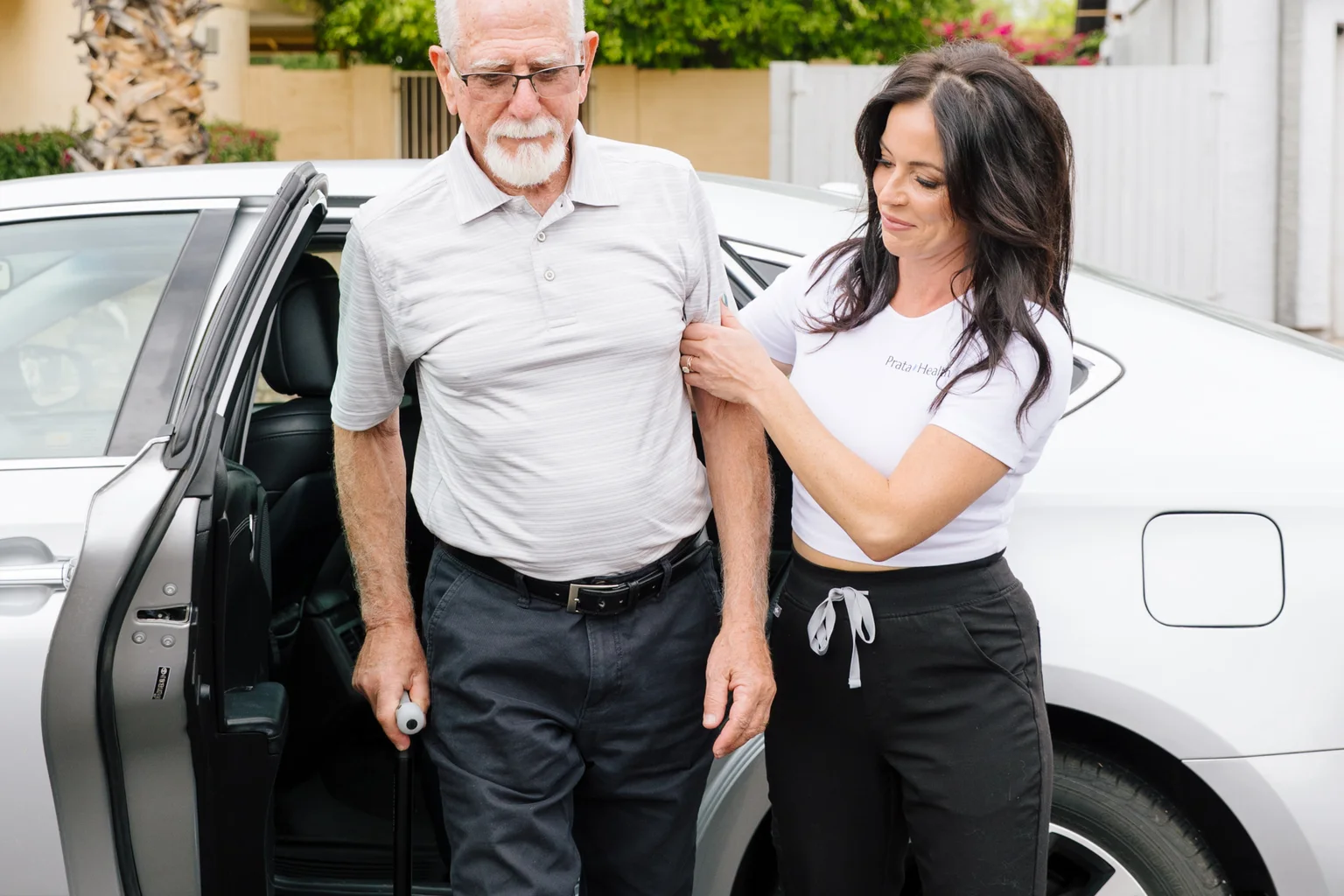
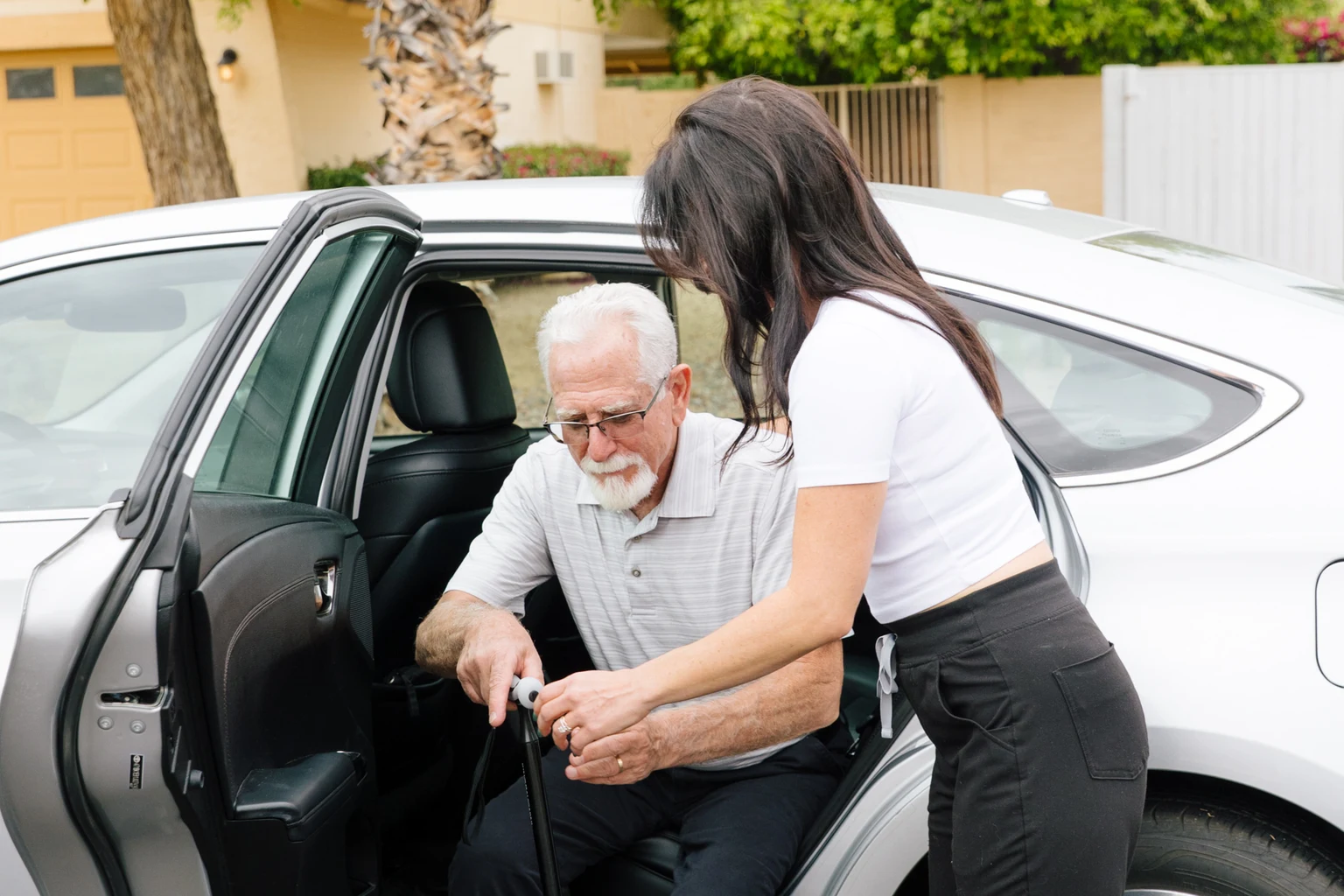
A private RN care coordinator is not a scheduler and not a single home health visit. The role blends health navigation, clinical judgment, and hands-on nursing so one clinician understands the whole picture: the diagnosis, the medications, the specialists, and the family's goals. Unlike home care and nursing agencies, which rotate caregivers and nurses through a call-center roster and cap how much time each nurse can spend per patient, a private RN care coordinator stays with one family and gets to know them personally. That continuity matters most in the weeks after diagnosis, when small details, a missed medication interaction, a symptom that seems minor but isn't, get caught because the same nurse sees the full pattern over time. A coordinator reviews new lab results as they arrive and gives the family plain-language guidance instead of medical jargon. Families describe finally having someone who offers real answers, and who treats their questions as worth answering fully.
How Do You Keep Track of Medications, Appointments, and Test Results After Being Just Diagnosed?
Once someone is just diagnosed, the volume of information multiplies fast: new prescriptions, dosage changes, imaging appointments, lab draws, and follow-up visits with two or three specialists, sometimes within the same week. A single shared medication list, updated every time a prescription changes, prevents the most common and most dangerous gap: two physicians unaware the other has prescribed something that interacts. A private RN care coordinator typically keeps one master calendar and one master medication list for the family, cross-checked against every new instruction from every office. Test results get reviewed as they arrive rather than waiting for the next appointment, so a concerning value gets a phone call the same day instead of a portal message discovered a week later. Families managing this with a spreadsheet or a stack of folders often find it works for a few weeks and then falls behind exactly when it matters most.
How Do You Find a Private RN Care Coordinator Near Paradise Valley?
Families searching for concierge nursing in Paradise Valley are usually looking for something a standard home health referral cannot offer: one nurse, not a rotating roster, available for the full arc of a new diagnosis. Start with a referral from the diagnosing physician's office, since many specialists already know which concierge nursing groups serve the Valley well. Ask directly whether the coordinator is a Registered Nurse, not an unlicensed care manager, how many families they support at once, and whether they attend appointments in person. A short consultation call should tell you within minutes whether the fit is right; most concierge nursing practices, including Prata Health, offer an initial conversation before any commitment. A coordinator who can be at a specialist's office in Scottsdale or Paradise Valley on short notice serves a family differently than one managing everything by phone from out of state.
How Do You Prepare for the First Specialist Appointment After a New Diagnosis?
The first specialist visit after a diagnosis often lasts fifteen minutes and covers months of decisions, so preparation determines how much of it the family actually retains. Bring copies of the diagnosing physician's notes, current medication list with dosages, and any imaging or lab results. Write questions down in advance and rank them, since time may run out before every question gets answered. A private RN care coordinator can attend the appointment, take notes in real time, and translate the specialist's language into plain terms afterward, so the family is not trying to recall clinical details from memory that evening. Newly diagnosed patients who arrive organized tend to leave with a clear next step instead of a list of things to look up later.
How Does a Family Caregiver Avoid Burnout While Managing a New Diagnosis?
Family caregivers managing a new diagnosis often take on scheduling, medication management, transportation, and insurance calls on top of their own jobs and households, and burnout tends to arrive faster than families expect. Mayo Clinic and other health organizations note that caregiver strain shows up as sleep loss, irritability, and declining health in the caregiver themselves, not just the patient. The most effective fix is not more willpower, it is offloading the logistics to someone clinically qualified to carry them. When a Registered Nurse handles the coordination, family caregivers can go back to being a spouse, a son, or a daughter in the room, present for the parts that matter, rather than the one chasing down test results. Families consistently say that shift, from case manager back to family, is what protects them from burnout.
Get Coordinated Care for Your Family's New Diagnosis
A new diagnosis does not have to mean facing a fragmented system alone. Request a Consultation with Prata Health to start building a coordinated care plan led by a Registered Nurse who becomes part of your family's team.