By Bianca Fabbo, MSN-ed, RN, AMB-BC
Why Siloed Nursing Leaves Families Filling the Gaps
When a physician recommends home nursing following a hospital discharge, the guidance usually arrives as three separate referrals: a case manager for coordination, a licensed registered nurse for clinical procedures, and a personal care aide for daily support. Families who accept this fragmented arrangement quickly discover what the discharge paperwork does not explain: coordinating three separate providers means three separate scheduling calls, three intake conversations, and three sets of documentation that rarely speak to each other.
The Agency for Healthcare Research and Quality (AHRQ) has identified care fragmentation and inadequate post-acute follow-through as primary contributors to preventable hospital readmissions, a finding that reinforces what families experience in real time when the system hands them a clipboard and sends them home. The recruitment process for each provider type compounds the challenge further. Nursing staffing agencies typically fill skilled nursing visits by rotating through their available pool, meaning clients work with different registered nurses each visit, none of whom hold a complete clinical picture. For clients managing multiple chronic conditions, mental health intersections, or complex post-surgical recovery, that discontinuity carries real clinical risk.
The Three Jobs, Each One Essential
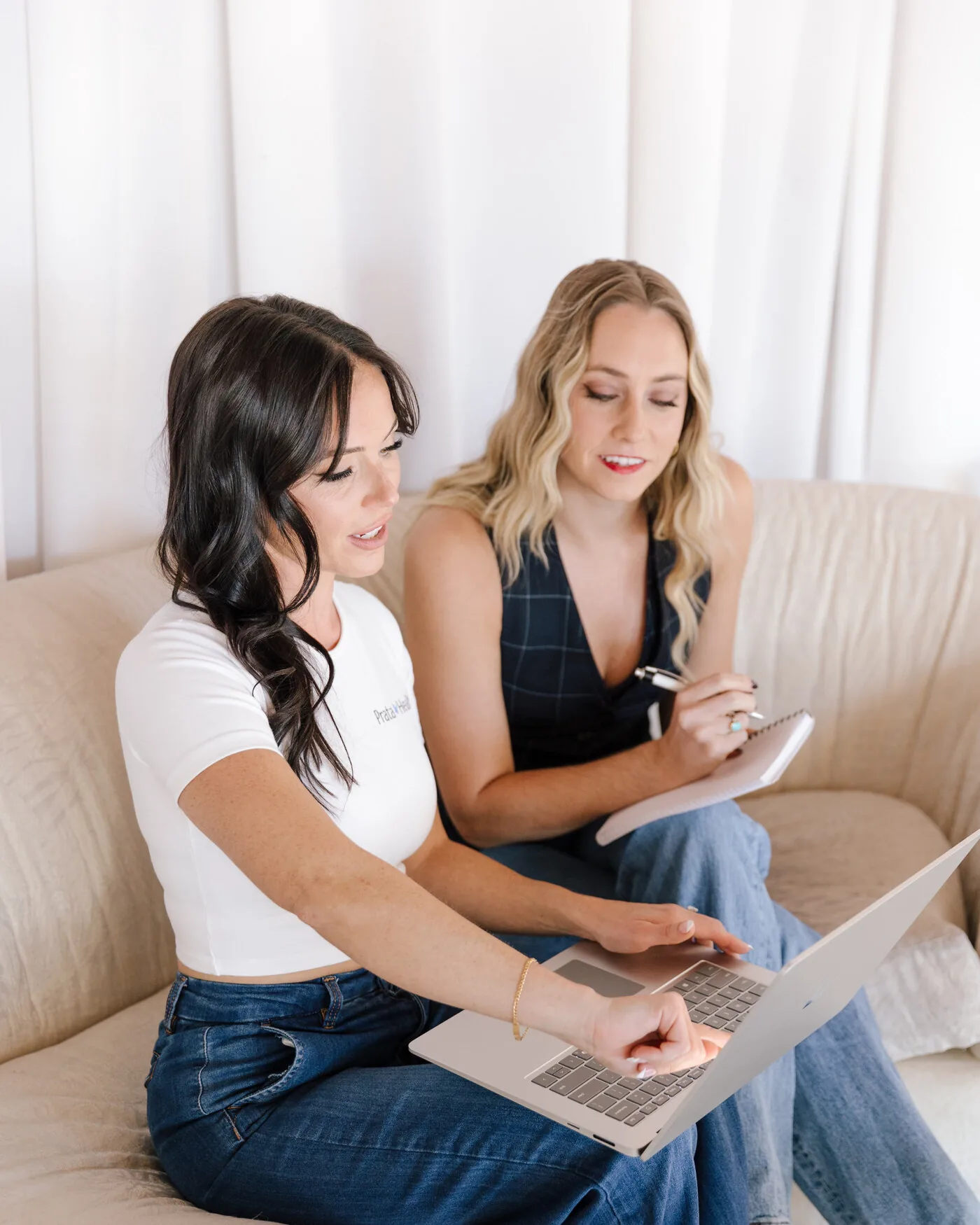
Prata's integrated model is not a bundled service or a marketing reframe of traditional home health. It is a clinical architecture: three distinct professional functions performed by one registered nurse, within one continuous relationship.
Health Navigation
the connective tissue that coordinates all care across specialists, medications, discharge instructions, and family communication
Skilled Nursing
licensed clinical work including wound assessment, IV therapy, catheter care, post-surgical monitoring, and medication reconciliation performed by one consistent RN
Caregiving
personal care assistance supervised and integrated by the same nurse handling clinical care, so changes in mobility, nutrition, or behavior are caught in real time
Skilled Nursing at Home, Without the Rotating Shifts
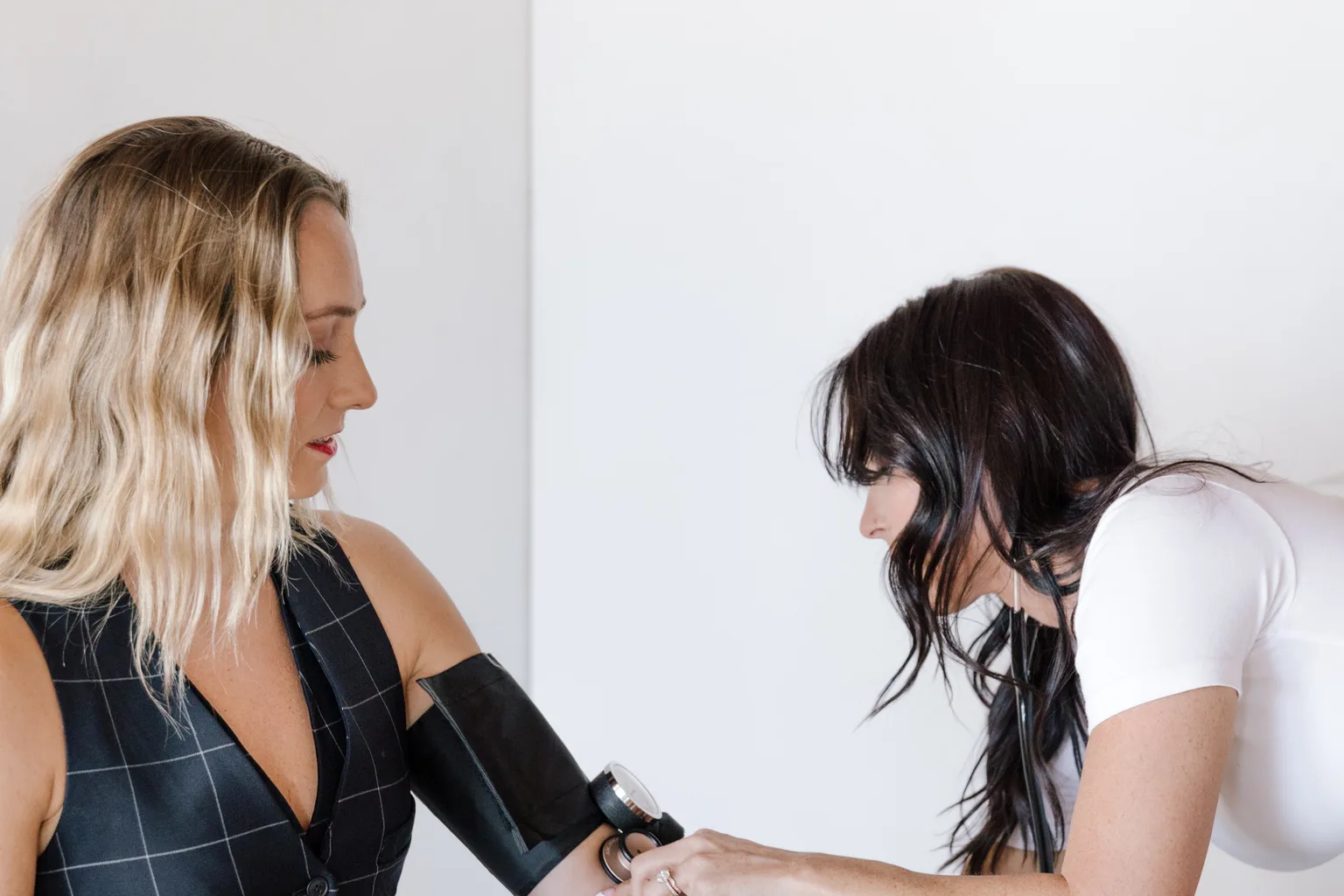
The second of the three jobs is the clinical work that state licensure restricts to a licensed registered nurse: wound assessment and management, IV therapy, catheter care, post-surgical monitoring, and medication reconciliation. These are not tasks a personal care aide or medical assistant is legally qualified or trained to perform. They require active clinical experience and direct nursing accountability.
Most home health arrangements fill this need through agency staffing, which means accepting rotating shifts covered by whichever nurse is available on a given day. Clients never know who is arriving. There is no accumulated clinical knowledge of that specific patient. Each visit begins from a chart, not from a relationship.
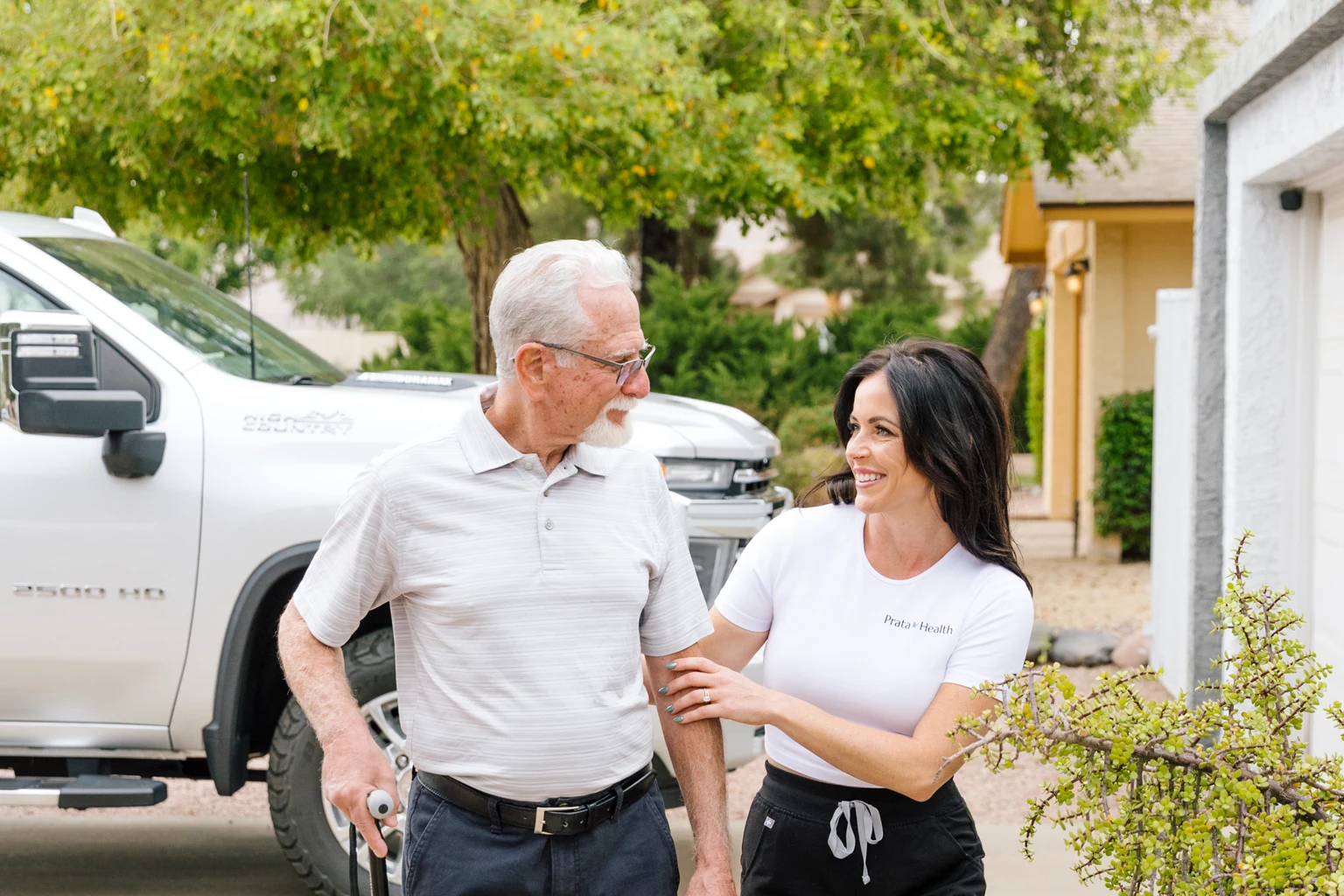
Prata's approach is built on continuity. Because one nurse holds the relationship across all three functions, skilled nursing visits are part of a continuous clinical narrative rather than isolated transactions. Your nurse notices when your wound is healing differently than it did last week. She knows whether your reported pain level is consistent with your usual pattern or something worth investigating. That observational continuity is a core clinical advantage, not a courtesy feature.
The American Nurses Association (ANA) has long documented that continuity of nursing care is associated with improved patient outcomes, higher rates of treatment adherence, and more timely identification of clinical deterioration. When the nurse managing your medications and monitoring your wound healing is the same nurse who attended your last specialist appointment, no detail falls between two separate agencies with no shared documentation.
Caregiving as a Clinical Extension, Not a Separate Hire
The third job, personal caregiving, is the one most care systems treat as a product requiring a separate hire and a separate recruitment process. Home health aides and personal care attendants typically operate in a different professional lane from skilled nursing, with different training requirements and documentation systems that may never be reconciled with the broader medical record.
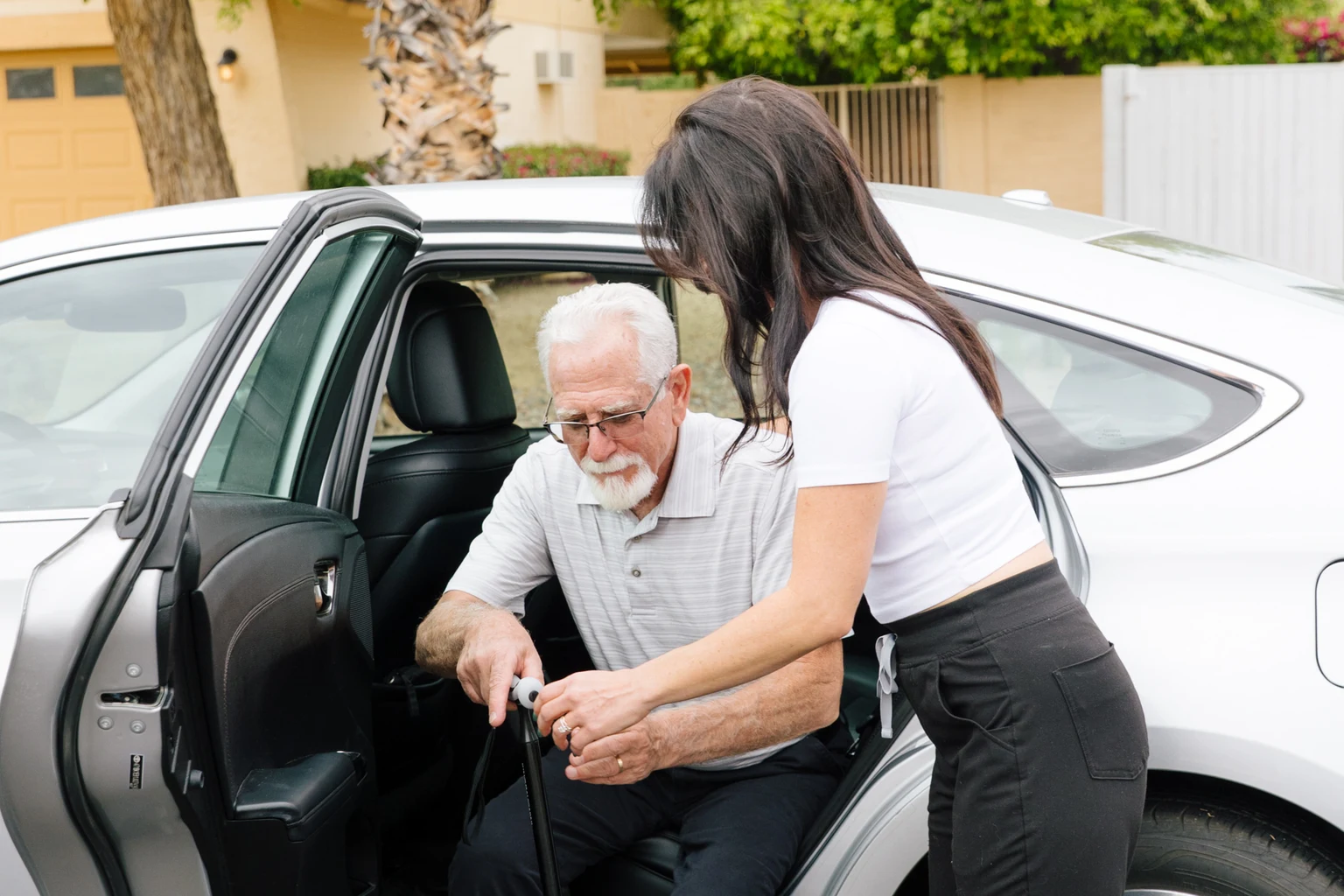
At Prata, caregiving assistance is supervised and integrated by the same registered nurse handling your clinical care. When a client's mobility changes after a medication adjustment, the nurse present for personal care activities notices that change in real time, not during a weekly chart review. When nutritional intake drops, the clinician on site can assess whether the issue is clinical, behavioral, or environmental and address it directly.
This integration is particularly valuable for older adults working through an aging-in-place plan. A 2023 systematic review and meta-analysis published in Frontiers in Public Health (Tian and colleagues) found that older adults receiving integrated, coordinated care experienced significantly fewer emergency department visits than those whose care was fragmented across providers. The families who understand this most clearly are often the ones who have already been through the alternative: coordinating a separate process for skilled nursing and personal caregiving, managing communication gaps between two separate agencies, and watching their loved one explain their medical history from scratch to every new person who walks through the door.
Why the One Nurse, Three Jobs Model Produces Better Clinical Outcomes
The clinical case for relationship-based nursing care is well-established. A 2024 study in BMC Nursing by Bahari and colleagues found that patient trust in nurses is positively and significantly associated with perceived quality of nursing care, and the broader literature links trust in the nurse-patient relationship to greater openness in sharing symptom changes and more consistent adherence to treatment recommendations.
When one nurse holds all three jobs, that trust is not divided across three relationships. It compounds over time. Your nurse learns your baseline, your patterns, your preferences, and your concerns. She holds the full clinical picture, not as one contributor among several, but as the constant through whom every other provider coordinates.
One nurse, three jobs means that every observation made during a personal care visit informs the clinical assessment at the next skilled nursing check. Every specialist call made during a health navigation appointment feeds back into the caregiving plan. Information does not get lost between handoffs, because there are no handoffs.
This integration is what sets Prata Health apart from staffing registries, agency models, and traditional home health arrangements. The relationship between client and nurse is not a feature of the service. It is the service itself.
Is This Model Right for Your Family?
Families typically reach out to Prata Health when at least one of these situations sounds familiar:
Your parent has had one or more unplanned hospitalizations in the past year and you want a clinician watching for early warning signs before it happens again.
You live more than thirty minutes from your parent and cannot be there to catch what is changing week to week.
Your parent is managing multiple chronic conditions across multiple specialists and no single provider is coordinating the full picture.
A recent surgery or procedure left your parent with discharge instructions and a follow-up appointment but no one to bridge the clinical gap.
You are watching a slow decline in energy, cognitive function, or mobility and you want a real clinical assessment rather than a guess.
Your family has disagreements about the appropriate level of care and needs an objective clinical voice to help everyone reach a shared understanding.