Who Watches the Incision at 2 AM? What Actually Happens to a Healing Wound Overnight
After a hip replacement, a cardiac procedure, or a major abdominal surgery, the first three to five nights carry the highest risk for a wound complication. A family caregiver who has been awake since sunrise is the one left asking who watches the incision at 2 AM once everyone else has gone to sleep. The CDC lists redness, warmth, swelling, drainage, and fever among the classic signs of infection at a surgical site, and notes that many surgical site infections become noticeable within the first two weeks after the operation. Catching those signs at 2 AM instead of at 7 AM is often the difference between a phone call to the surgeon's office and a trip to the emergency room.
Why Family Caregivers Miss Complications a Trained Nurse Would Catch at Night
Family caregivers are not lacking love or attention. They are lacking sleep and clinical training on the one night it matters most. A caregiver running on adrenaline by midnight is in a poor position to judge what a healing incision should look like on night three versus night one. Redness that would alarm a trained eye can look like ordinary bruising to someone who has never assessed a surgical wound. A rising temperature gets blamed on extra blankets, and a change in drainage color goes unnoticed because no one is checking the dressing on a fixed schedule.
Can a Family Member Safely Monitor a Surgical Incision Overnight Instead of a Nurse?
In many cases, a family member can watch for obvious red flags: a visible fever, pus at the incision, or a wound that has clearly come apart. What a family member usually cannot do is track subtler trends across an eight hour shift: a temperature creeping up half a degree an hour, pain no longer responding to medication, or breathing that has quietly slowed. An overnight recovery RN documents those trends continuously, catching a problem while it is still minor.
What Does an Overnight Recovery RN Actually Watch For and Do During a Shift?
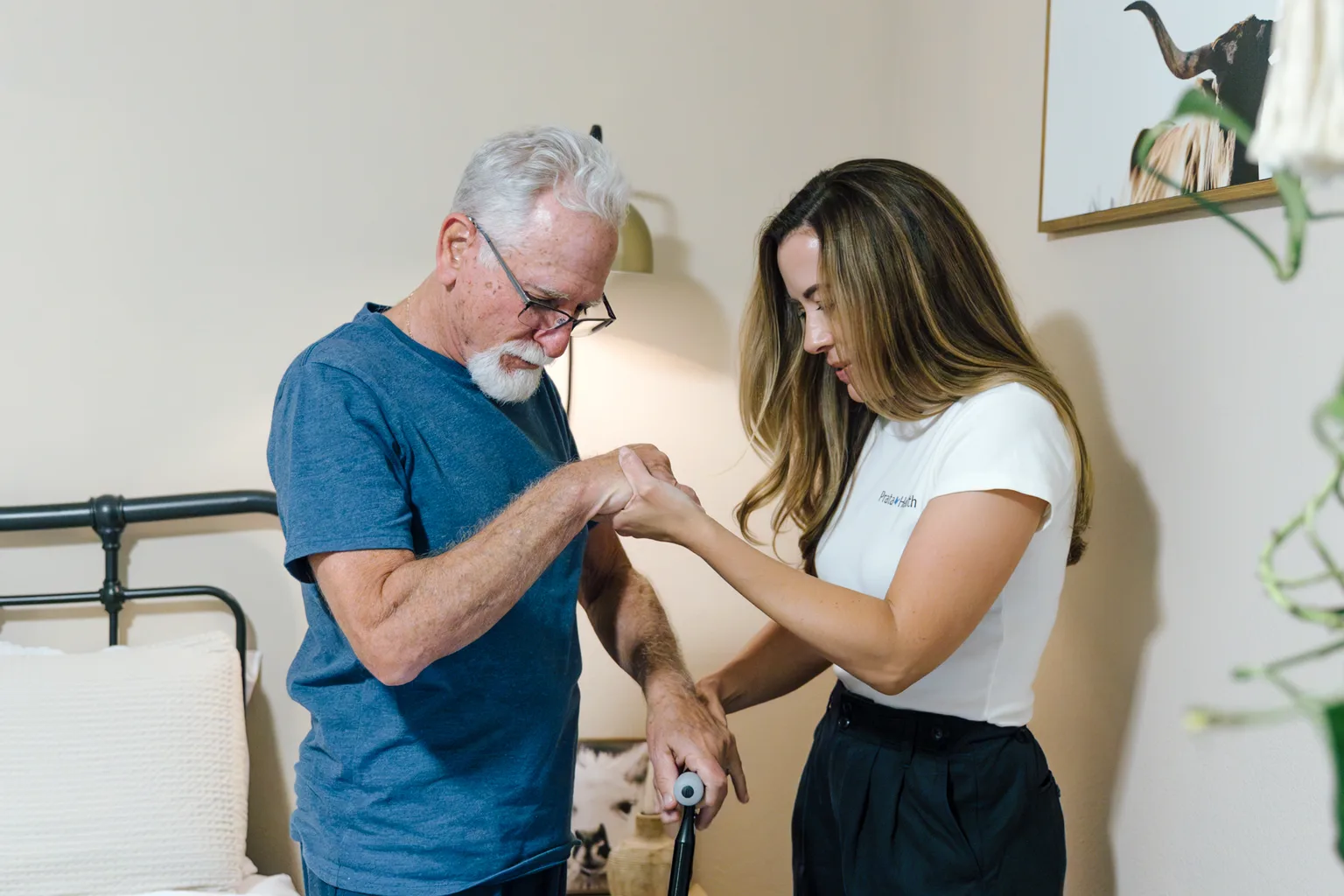
An overnight recovery RN moves through a structured routine built around the specific surgery and the surgeon's post-operative orders, not a generic checklist. A typical shift includes scheduled vital sign checks, an assessment of the incision and dressing for drainage, odor, warmth, or separation, medication administration on the exact schedule the surgeon prescribed, and pain reassessment after every dose. The nurse also watches for quieter risks that rarely make a discharge packet: fall risk from getting up disoriented, blood clot risk from staying still too long, and early signs of a medication reaction. Anything outside the expected range prompts a call to the surgeon's on-call line before it becomes an emergency room visit, and everything gets documented for the morning caregiver and the surgeon's office.
How Is a Recovery RN Different From a Home Health Aide for Wound and Incision Care?
A home health aide can help someone get comfortable, assist with light hygiene, and alert a family if something looks wrong. A Registered Nurse can assess why it looks wrong, decide whether it is urgent, and act on that judgment immediately, because incision and wound assessment sits squarely within RN scope of practice and outside an aide's. That distinction matters most overnight, when there is no one else awake to make the call.
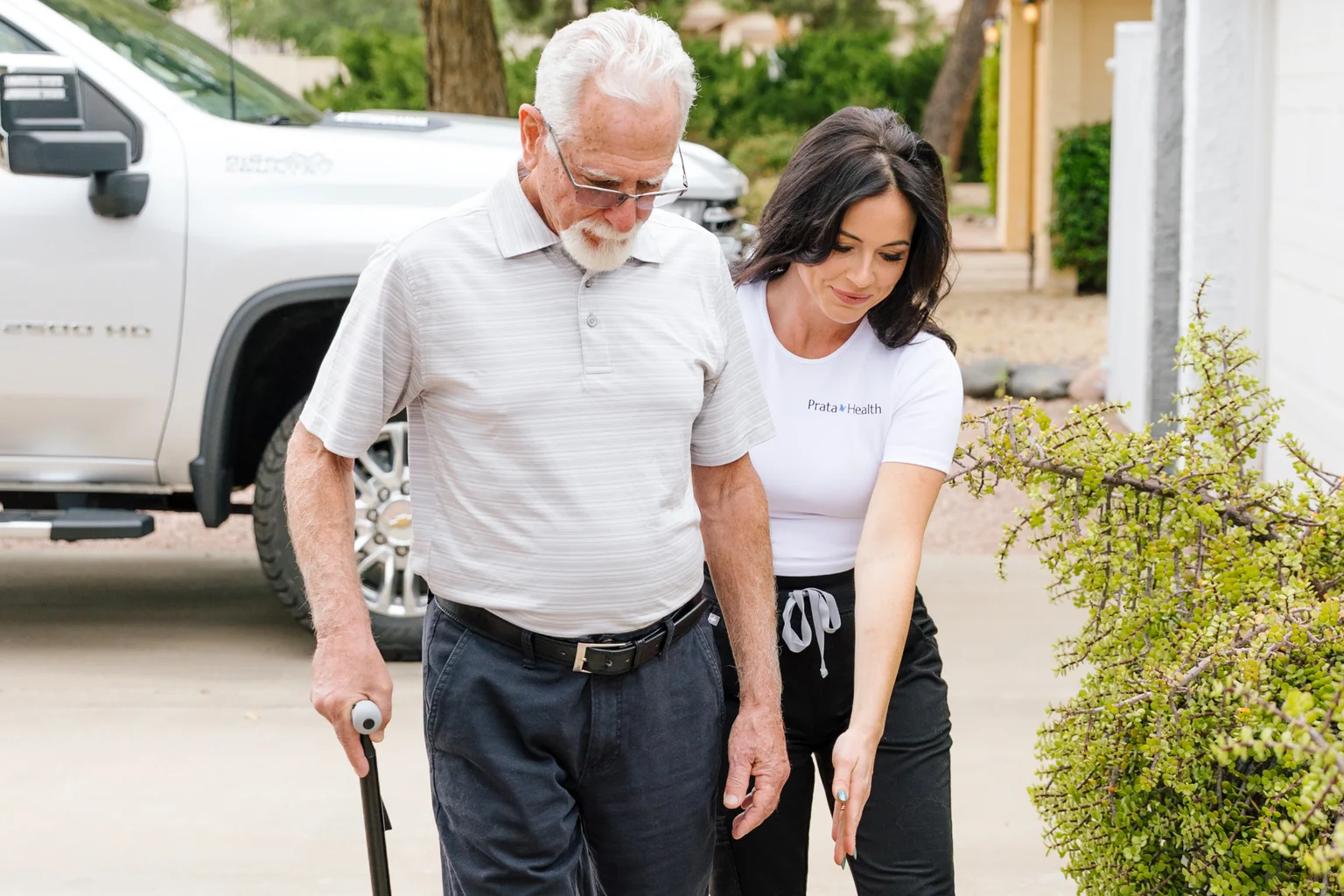
It also matters how the nurse is assigned. Traditional home care and nursing agencies typically staff overnight shifts from a call center roster, rotating caregivers across many patients with limited time per patient. A family calling at midnight may get whichever nurse happens to be available rather than one who already knows the patient's surgery, medications, and baseline. Concierge nursing works differently at Prata Health: Skilled Nursing Care is built around one Registered Nurse who leads the case, learns the family, and becomes the consistent clinical presence overnight rather than a rotating name on a schedule.
What Qualifications or Certifications Should a Recovery RN Have for Incision Care?
At minimum, ask whether the nurse holds an active Arizona RN license, current BLS certification, and direct experience with the type of procedure involved. Additional board certifications, such as a wound care credential or an ambulatory care certification like AMB-BC, signal a nurse tested on exactly this kind of clinical judgment rather than simply years on the job.
How Long Do Arcadia Families Typically Need Overnight Nursing After Surgery?
The length of overnight coverage usually tracks the surgery itself rather than a fixed calendar. A joint replacement or cardiac procedure often calls for overnight nursing through the first week to ten days, when swelling, pain, and fall risk are highest, then step down to shorter check-ins as strength returns. A more complex surgery, or a chronic condition alongside recovery, may need coverage for several weeks. Most families find the right number of nights becomes clear after the first follow-up appointment, once the surgeon confirms the incision is healing as expected, which is why the plan should be revisited rather than locked in on day one.
How Do Arcadia Families Find and Vet a Qualified Overnight Recovery Nurse?
Finding a qualified overnight recovery nurse in Arcadia usually starts with deciding what kind of staffing model the family wants. Surgeons and discharge planners typically hand a family a list of names and little else, leaving them to vet a stranger for an overnight role in their parent's bedroom. A few questions narrow the field quickly. Is this the same nurse every night, or a rotating roster? Does the nurse have direct experience with this specific surgery? Who backs up the nurse if she is unavailable, and is there one clinical lead who already knows the whole case rather than someone new each shift?
Families who want a single Registered Nurse leading the case, rather than managing a revolving door of unfamiliar names, can Request a Consultation to be matched with a recovery RN who fits the surgery, the timeline, and the home.
Does Insurance or Medicare Cover Overnight Private Duty Nursing After Surgery in Arizona?
Medicare's home health benefit is built around intermittent, medically necessary skilled visits, not continuous overnight coverage, so private duty overnight nursing after surgery is usually a private-pay arrangement. Some families are able to offset part of the cost through an existing long-term care insurance policy that covers skilled nursing hours, so it is worth checking any policy already in place before assuming nothing applies. Because pricing depends on hours needed, case acuity, and number of nights, cost varies from one recovery to the next, and the clearest way to understand a specific case is a direct conversation about the surgery and timeline rather than a generic online rate.
Plan Overnight Recovery Nursing With Prata Health
A healing incision does not pause for sleep, and neither should the care team watching over it. Learn how our concierge nursing works and start building an overnight recovery plan built around your family's surgery, timeline, and home.