Understanding Wandering and Sundowning in Alzheimer Disease and Dementia Care
Wandering and sundowning are two of the most stressful symptoms families face when a loved one is living with Alzheimer disease or another form of dementia. According to the Alzheimer's Association, most people living with dementia will wander at least once during the course of the disease, often in search of something familiar, such as a former home, a job, or a person from earlier in life, rather than out of simple confusion.
Sundowning describes the agitation, restlessness, and confusion that tends to intensify in the late afternoon and evening. The Mayo Clinic notes that changes to the body's internal clock, fatigue, and low light can all contribute to sundowning in people with memory loss. For families managing dementia care at home in Arcadia, understanding these patterns is the first step toward building a daily routine that keeps a parent or spouse safe, calm, and connected.
This is where a Registered Nurse changes the equation. Instead of reacting to each wandering incident or sundowning episode as it happens, an RN builds a proactive care plan around the specific triggers, health history, and personality of each senior in her care.
Why an RN-Led Concierge Model Changes Dementia Care at Home in Arcadia
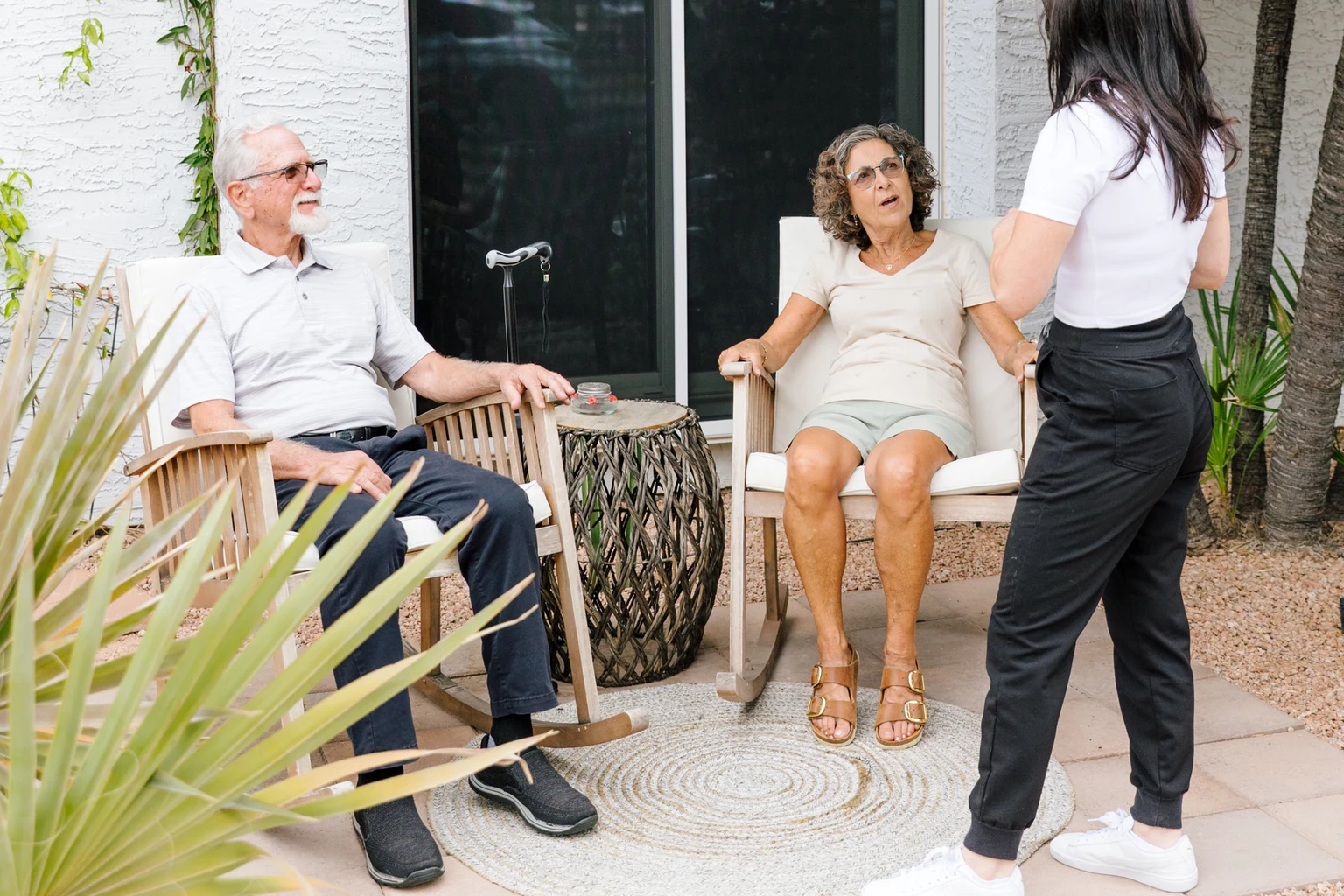
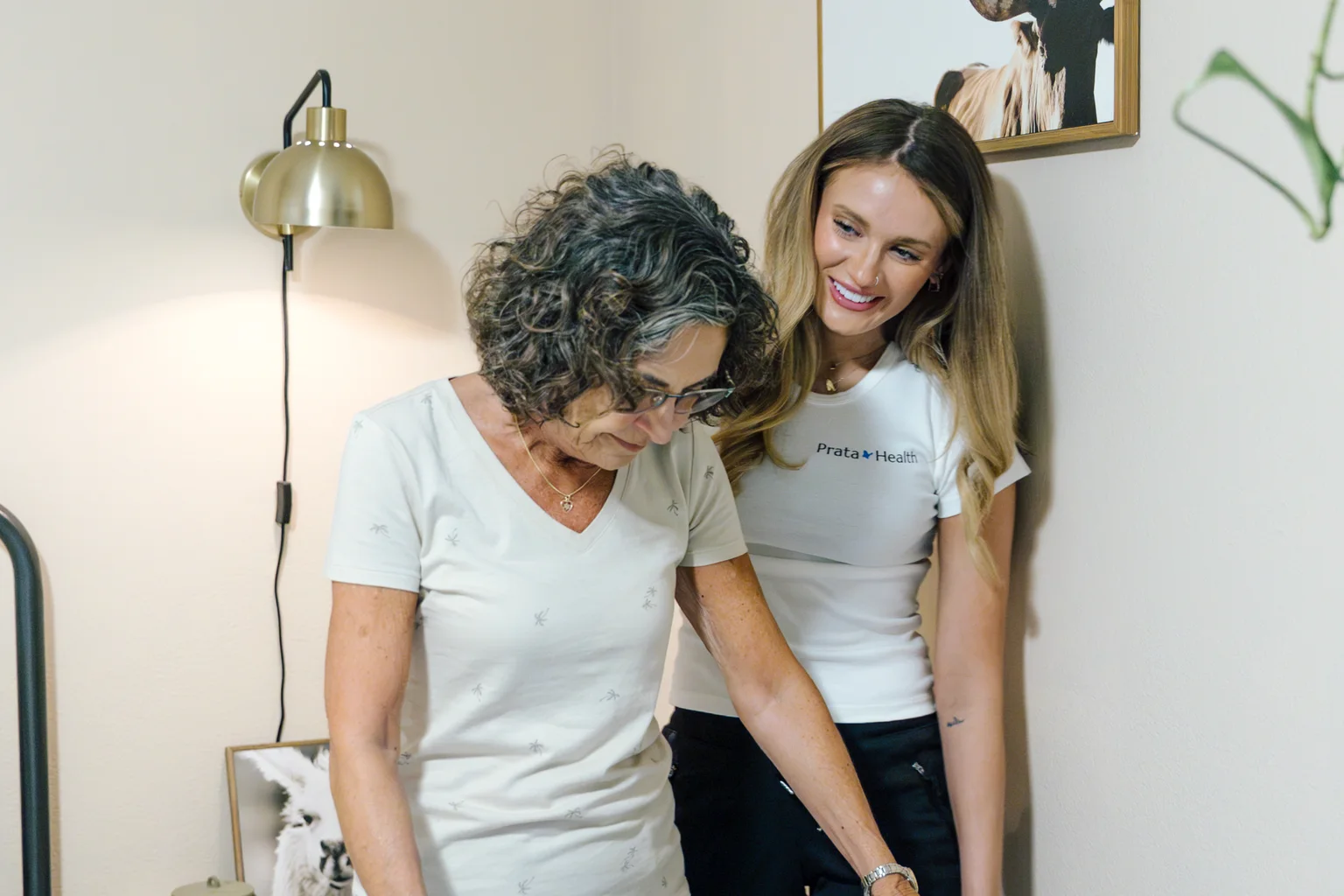
Many families searching for dementia care in Arcadia find a crowded field of home care and nursing agencies that rotate caregivers and nurses with little continuity and no clinical oversight. Prata Health takes a different approach. Every family is matched with a Registered Nurse who leads their care personally, coordinates with physicians, and becomes part of the family rather than a rotating face.
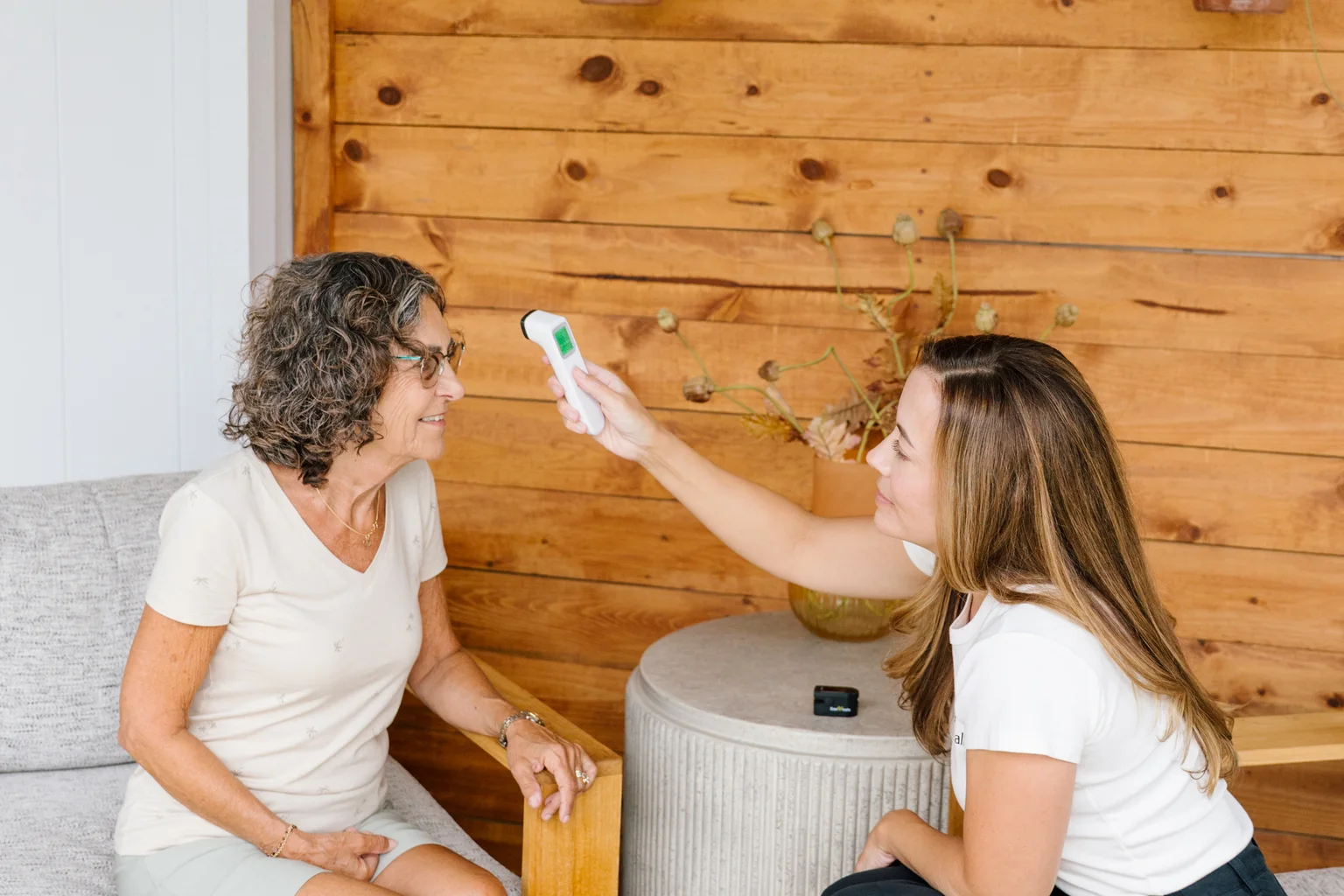
That RN oversees care services personally, from medication management to personal care, so a loved one receives assisted living-level clinical attention without leaving the home they know. For seniors with Alzheimer disease, staying in a familiar environment can reduce agitation and support memory, which is one reason more families are choosing care at home and in-home nursing over a traditional care home.
Prata Health's model also means one point of contact. Instead of juggling separate agencies for personal care, medication oversight, and safety checks, families get a single RN who understands the whole picture, coordinates every caregiver on the team, and adjusts the plan as needs change. This is the difference between a generic staffing service and true senior care Arcadia families can lean on during one of the hardest chapters of caregiving.
A Day-to-Day Playbook for Wandering Prevention and Response
An RN-led plan for wandering starts with a home safety assessment, not a generic checklist. Bianca Fabbo, RN and her team walk through each home looking for specific risk points: exterior doors without alarms, unlocked cars, pools, and any route a loved one could take unnoticed.
From there, the daily playbook includes:
Morning
- A consistent wake-up and breakfast routine, since predictability reduces anxiety in people with dementia.
- A quick safety check of doors, gates, and any exits identified during the home assessment.
Midday
- Structured activity, such as a supervised walk in a secured yard, a visit to the Botanical Gardens, or a familiar task like folding laundry, to use restless energy safely.
- Door and window alarms armed, along with a GPS-enabled ID bracelet for any senior with a wandering history.
Afternoon
- A caregiver or RN visit to reassess mood, hydration, and medication timing before evening symptoms typically begin.
If wandering does occur, the RN-built plan includes a written response protocol: who calls whom, which neighbors have been briefed, and how far the search radius should extend before contacting local authorities. Families receiving Skilled Nursing Care from Prata Health are never handed a checklist and left on their own. The RN reviews and adjusts the wandering plan as the disease progresses, because what works during early memory loss rarely works the same way a year later.
Building an Evening Routine to Ease Sundowning
Sundowning responds best to routine, not correction. Rather than arguing with a confused or agitated loved one, the RN-led approach focuses on lowering stimulation and reinforcing a sense of safety as daylight fades.
A typical evening routine Prata Health builds for families includes:
- Closing blinds and turning on warm interior lighting before dusk, since low light and shadows can worsen confusion.
- Moving to a calm, familiar space for dinner rather than introducing a new environment or unfamiliar visitors late in the day.
- Limiting caffeine and sugar after midafternoon, and offering a light, easily digestible dinner.
- A consistent wind-down sequence, the same music, the same chair, the same nightly conversation, so the brain has fewer new decisions to process.
The RN also tracks patterns over time. If sundowning consistently worsens on days with less physical activity, poor hydration, or a skipped nap, that information shapes the following week's plan. This kind of clinical pattern-tracking is difficult for a family to do alone in the middle of an already exhausting day, and it's one of the clearest ways dementia care at home in Arcadia benefits from RN oversight rather than caregiver support alone.
Caregiver Relief: Respite Care and Support for Families
Family caregivers of people with Alzheimer disease report significantly higher rates of stress, sleep disruption, and burnout than caregivers supporting other conditions, according to research summarized by the CDC and the Family Caregiver Alliance. Respite care exists precisely because sustainable caregiving requires support, not heroics.
Prata Health builds respite care into the plan from day one rather than treating it as an emergency add-on. That might mean a trained RN or caregiver covering an evening so a spouse can attend a family event, or a full week of coverage so an adult child caring for a parent can travel without worry. Because the same RN leads the care over time, respite coverage does not mean starting over with a stranger. It means a familiar face who already knows the daily routine, the home environment, and the loved one's specific needs.
This continuity is also why families managing ongoing health conditions alongside dementia care at home in Arcadia choose Prata Health over agencies that treat each shift as a new assignment. Caregivers deserve support that protects their own health too, and an RN who offers real relief, not just coverage, is central to how Prata Health defines senior care.
Build a Dementia Care at Home in Arcadia Plan With Bianca Fabbo, RN
Wandering, sundowning, and caregiver burnout do not have to be managed alone. Request a Consultation with Prata Health and build an RN-led dementia care at home in Arcadia plan around your family's specific needs.