Understanding the Stages of Alzheimer Disease and Dementia
Dementia is a general term for a decline in memory, thinking, and reasoning severe enough to interfere with daily life, and Alzheimer disease is the most common cause, according to the Centers for Disease Control and Prevention. Most families experience the illness in three broad phases: early, middle, and late. Each phase asks something different of the family members who provide daily support, and understanding what is coming next helps you prepare instead of react. The Alzheimer's Association describes this progression as gradual, though the pace and symptoms vary widely from person to person. Knowing the stage your loved one is in shapes every decision that follows, from home safety to when skilled, hands-on nursing support becomes necessary. Staging is not just clinical language, it is a planning tool: it tells you when to add support at home, when chronic conditions like diabetes or heart disease need coordinated management alongside dementia, and when a conversation about full-time care can no longer wait.
What Caring for a Parent With Dementia at Home Looks Like in the Early Stage
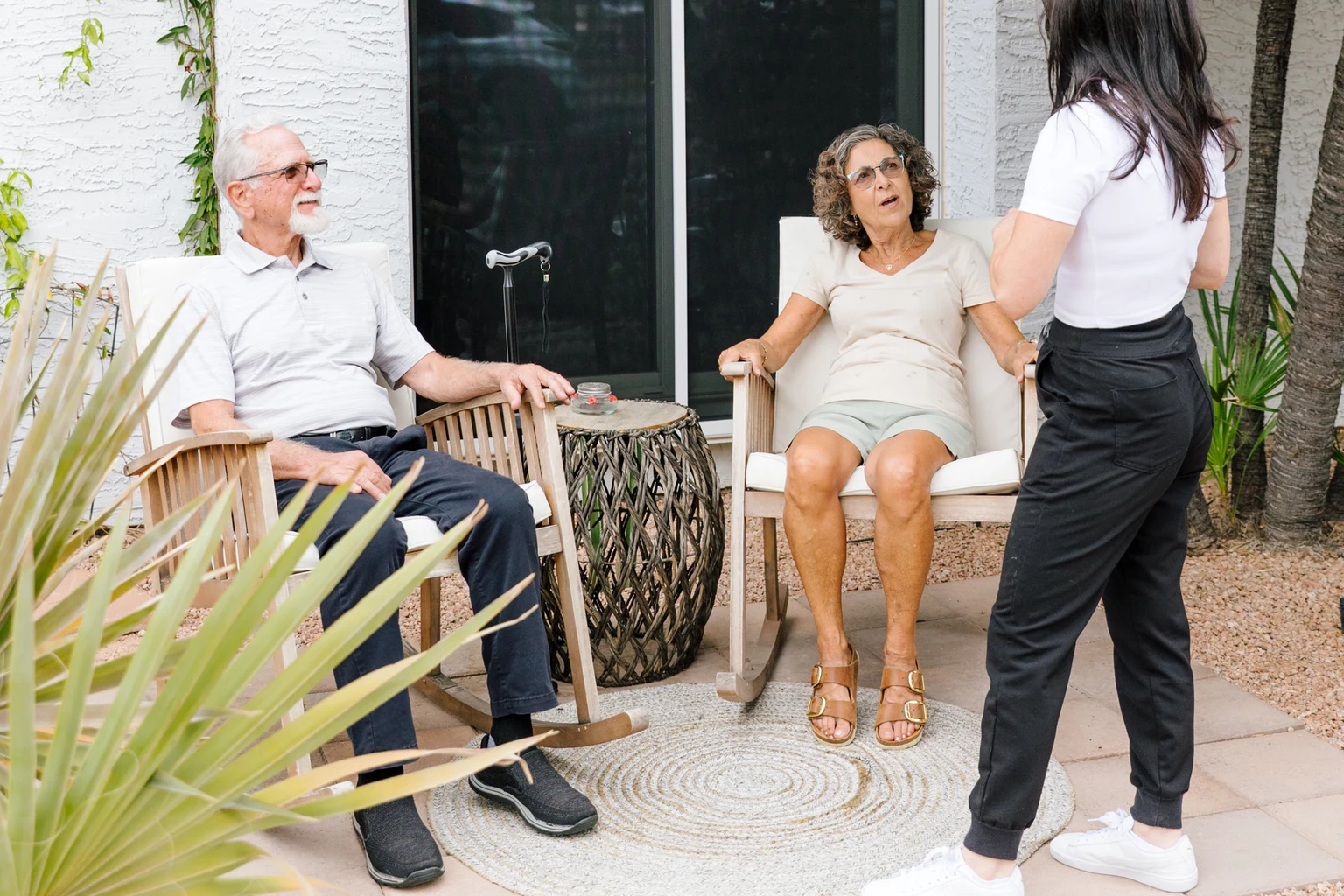
In the early stage, caring for a parent with dementia at home often starts small: misplaced keys, a forgotten appointment, repeating the same question. This is the stage to create routine before it becomes essential. Familiar items, a consistent daily schedule, and clear labeling around the house reduce confusion before it starts. Keep furniture in familiar places, use calendars and whiteboards for orientation, and build in structured activities that give the day shape: walks, puzzles, music, and time with family. The person dementia affects in this stage often still drives, manages some finances, and lives independently with light support, but early planning now prevents crisis decisions later. It also gives your family the peace mind of knowing a plan is already in place before it is needed. Small, consistent routines built now become anchors your parent can rely on later, even as new information becomes harder to retain.
Building Structure and Safety in the Middle Stage
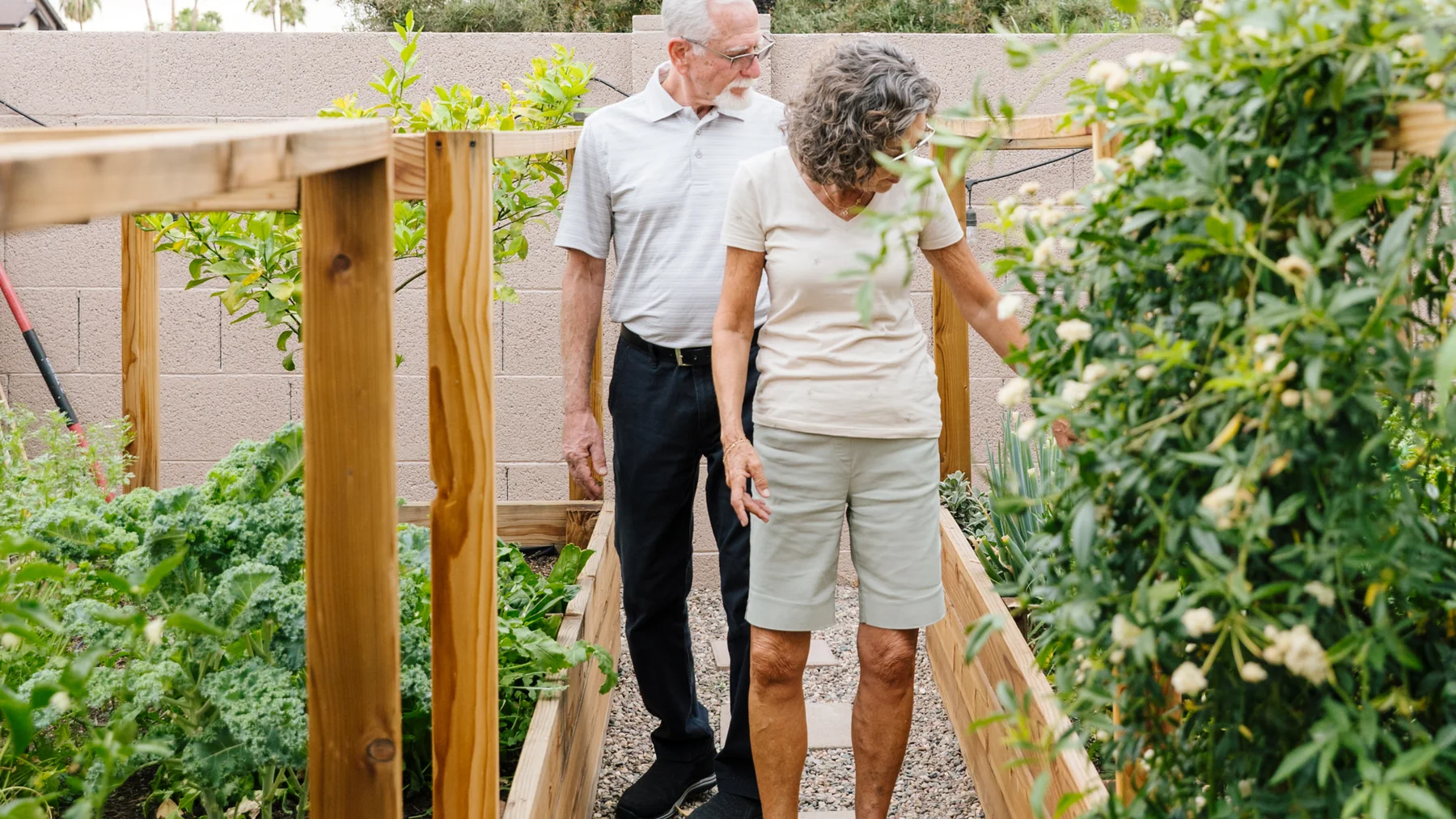
The middle stage is usually the longest and most demanding for family members. Wandering, sundowning, and increased confusion become common, and the home environment matters more than ever. Building a parent dementia home environment around routine and familiar surroundings removes hazards and reduces agitation: lock away medications and cleaning supplies, add grab bars and non-slip mats, secure exterior doors, and keep pathways clear of clutter. Structured activities, familiar music, favorite photos, and simple tasks like folding towels help ease agitation and give your parent a sense of purpose even as independence fades. Safety changes should happen gradually so the home still feels like home, not a facility. Every caring parent dementia journey looks different, but consistency and a safe, familiar setting matter at every stage of the disease.
Communicating With a Parent Who Has Dementia at Home
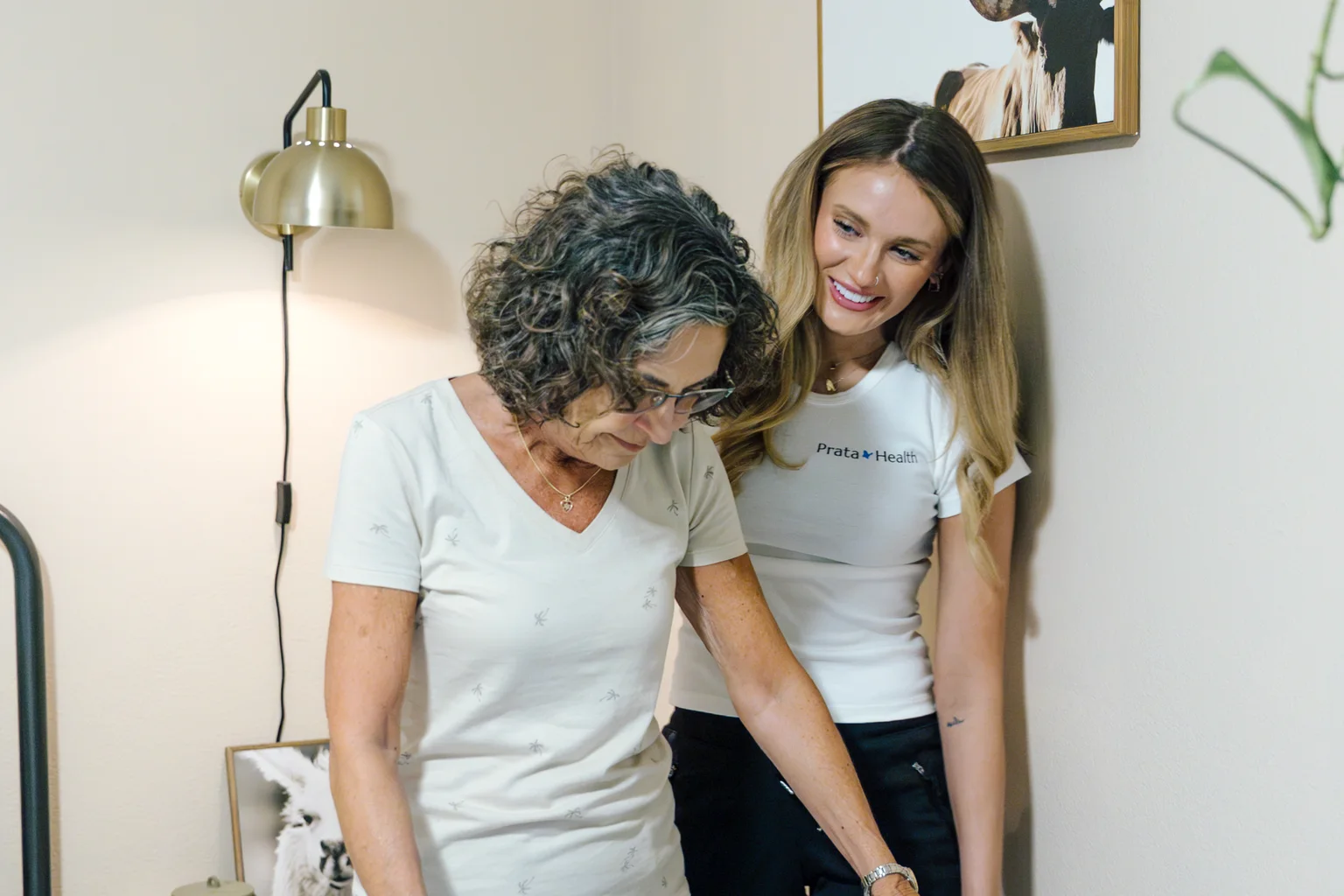
How you talk to your parent matters as much as what you do around the house. Short, simple sentences, one instruction at a time, and a calm, unhurried tone reduce frustration on both sides. Avoid correcting or arguing over facts your parent has confused, redirecting the conversation gently is usually more effective than insisting on accuracy. Eye contact, gentle touch, and familiar names and stories can bring comfort even when memory is unreliable. Many family members find that grief shows up here first, not at diagnosis, but in the small daily moments when a parent no longer recognizes a name or a face. That grief is real and deserves its own support, whether through a therapist, a faith community, or one of the support groups built specifically for people caring for a loved one with dementia. A Registered Nurse who visits regularly can also model communication techniques for the rest of the family, so every visit, not just the professional ones, feels calmer and more connected.
Late Stage Care: When Skilled Nursing Becomes Essential
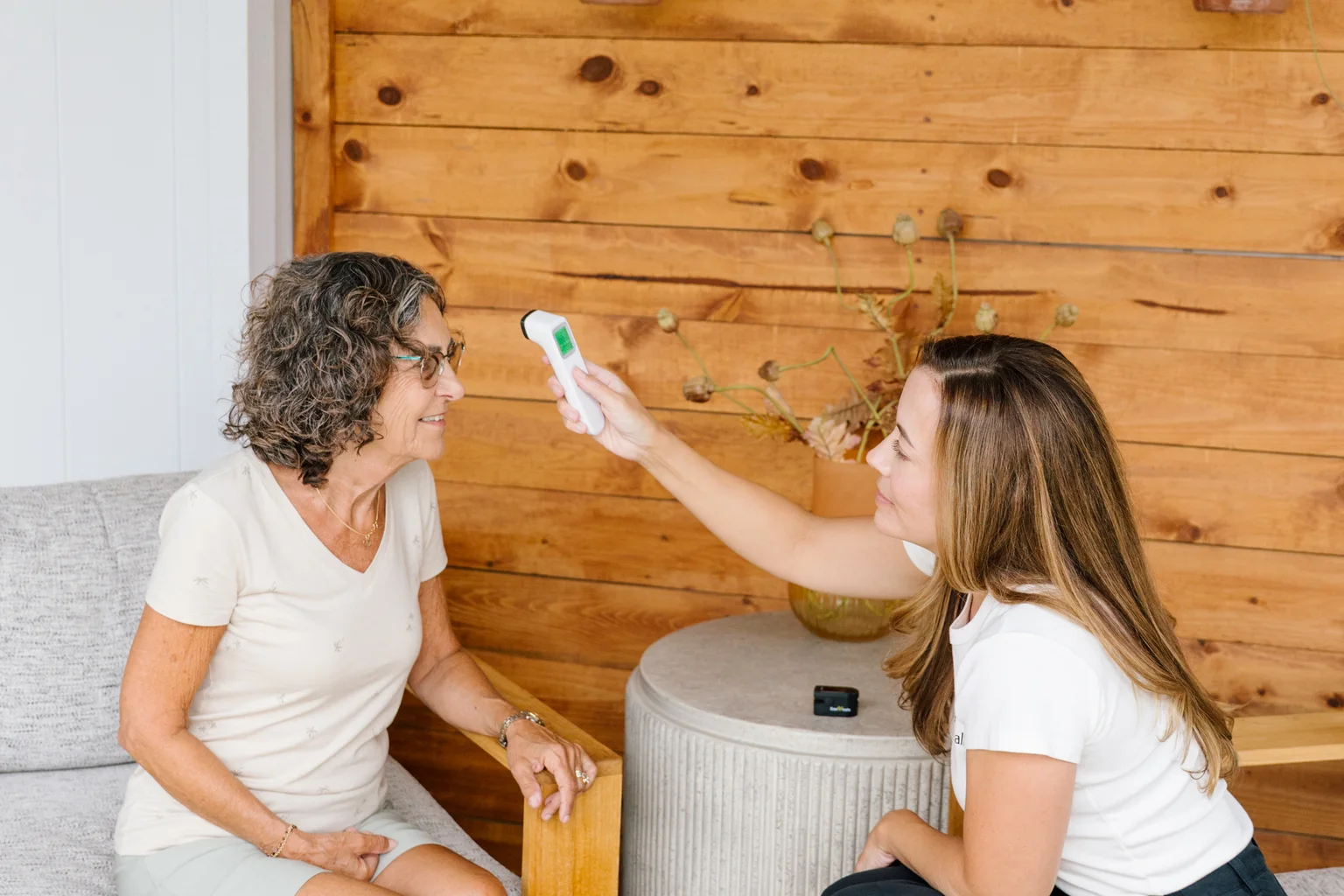
In the late stage, dementia affects mobility, swallowing, communication, and basic self-care, and around-the-clock supervision becomes necessary. Many families face a decision between assisted living, a memory care community, or bringing skilled nursing into the home to avoid a stressful move during an already painful decline. Skilled Nursing Care delivered by a Registered Nurse allows many families to keep a parent in a familiar environment through the late stage, with clinical oversight for medication management, nutrition, mobility, and comfort that goes beyond what a home caregiver alone can provide. This stage is also when conversations about long-term care and comfort-focused support belong in the plan, not a last-minute scramble.
When to Ask for Help: Respite Care and Support Groups for Family Caregivers
Caring for a parent with dementia at home takes a toll that is easy to underestimate. The emotional weight of caregiving builds slowly, and family members caring for a loved one with dementia face real risk of burnout, sleep disruption, and health decline, a pattern well documented by the National Institute on Aging. Learning to ask help before exhaustion sets in protects both you and your parent. Respite care, whether a few hours a week or a short-term stay, gives caregivers a real break to rest, work, or simply breathe. Support groups, in person or online through organizations like the Alzheimer's Association, connect you with other families who understand what you are carrying and often surface practical tips no pamphlet covers. Asking for support is not giving up on your parent, it is what allows you to keep caring for a parent with dementia at home for the long run without losing yourself in the process.
Build a Personalized Dementia Care Plan With Prata Health
Every family's experience caring for a parent with dementia at home is different, and the right plan starts with a conversation, not a checklist. Request a Consultation and let a Prata Health Registered Nurse build a care plan around your parent's stage, your home, and your family's peace of mind.