Hospice at Home, Explained: How the Model Actually Works
Hospice at home means an interdisciplinary team, typically a registered nurse case manager, a hospice aide, a social worker, and a chaplain, comes to wherever your loved one lives, whether that's a private residence or a care home, and manages the medical side of a terminal diagnosis. The hospice team builds the plan of care, orders medications and equipment tied to the diagnosis, and teaches family caregivers what to watch for between visits. The care hospice provides is built around scheduled visits rather than continuous staffing, and the hours in between are filled by whoever is present, usually family, sometimes a private caregiver or private duty nurse.
Most families researching hospice care at home want the same reassurance: that someone qualified is present through the hours a scheduled visit can't cover. That structure works well for many families, and it also means the quality of life a person experiences in their final months depends heavily on who is in the room when the hospice nurse isn't.
How Often Does a Hospice Nurse Actually Visit?
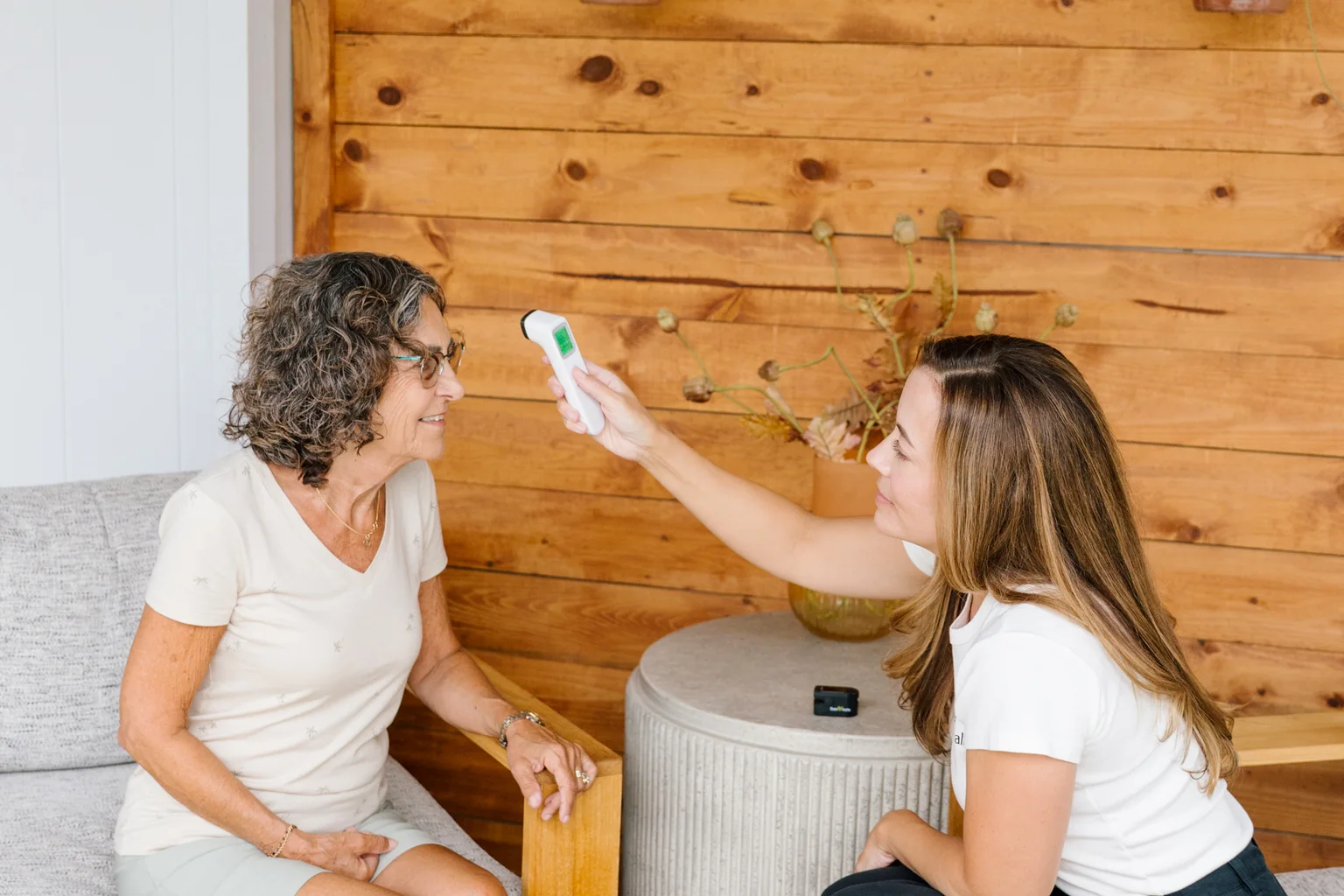
Visit frequency is set by the hospice interdisciplinary team based on the patient's condition. It typically ranges from a couple of times a week during a stable period to daily as symptoms intensify in the days before death. The Centers for Medicare & Medicaid Services requires hospice teams to meet minimum supervisory standards, including regular registered nurse oversight of any hospice aide providing hands-on care, but the exact number of visits a patient receives is individualized rather than fixed.
Is Hospice Care the Same as Having a Nurse There 24/7?
No. Hospice provides 24/7 phone access to a nurse for symptom guidance and urgent questions, and many hospices can send a nurse out for a crisis visit, but that is different from having a nurse physically present around the clock. A hospice team member is reachable 24/7; a hospice team member is not typically stationed in the home 24/7.
What Happens Between Scheduled Hospice Nurse Visits?
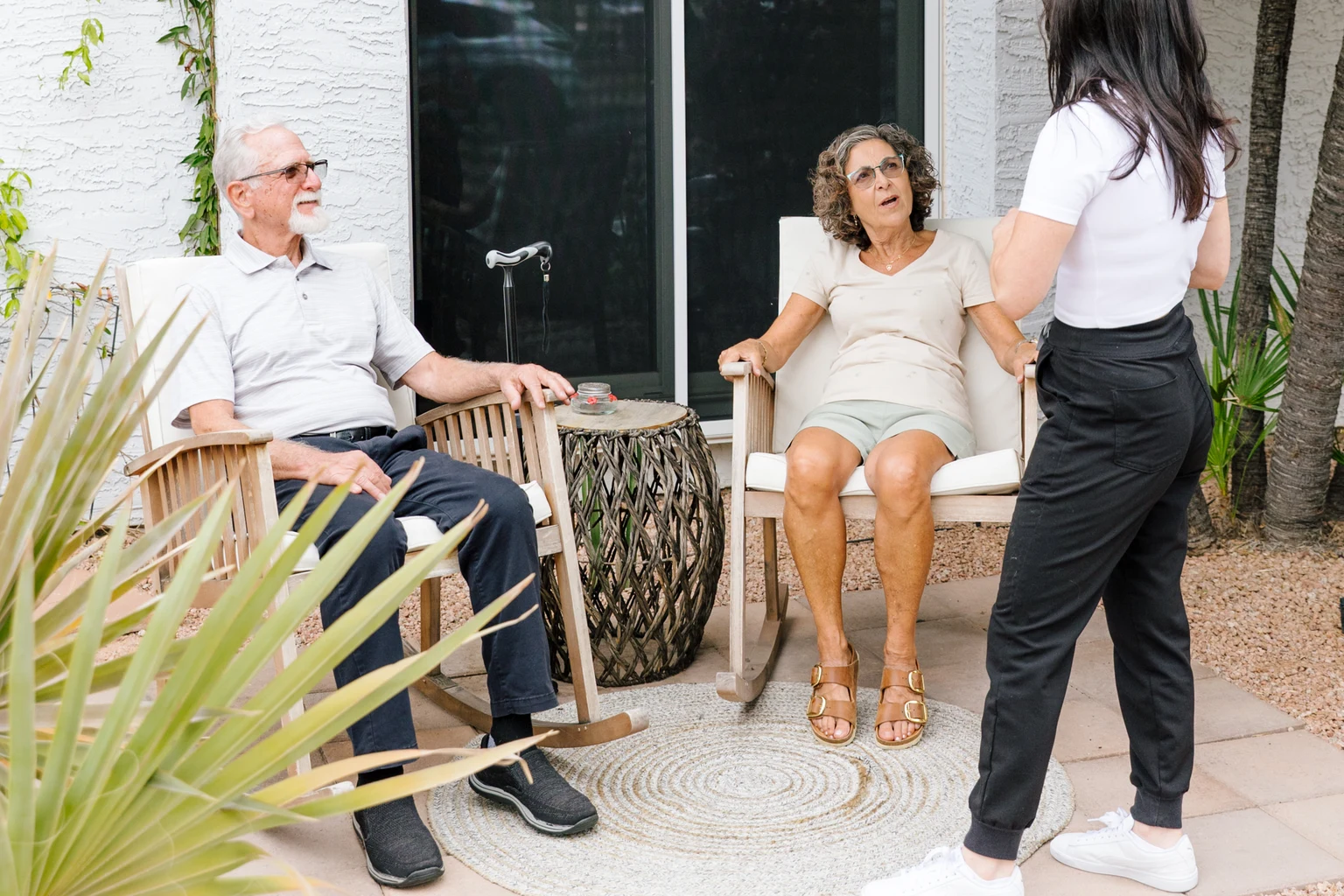
For home hospice patients, the hardest part usually isn't the diagnosis, it's the hours between visits. This is the part of hospice at home, explained rarely in enough detail: between visits, day-to-day care, repositioning, medication timing, comfort measures, and watching for new symptoms falls to whoever is in the home. For many families that's a spouse, an adult child, or rotating family members, often managing this alongside jobs and their own households. The hospice team provides education, a care plan, and an on-call line, but they are not physically present to catch a symptom change overnight or to sit with a loved one through a difficult night. That's the space a private nurse is built to fill.
Can You Have a Private Nurse Alongside Hospice Care?
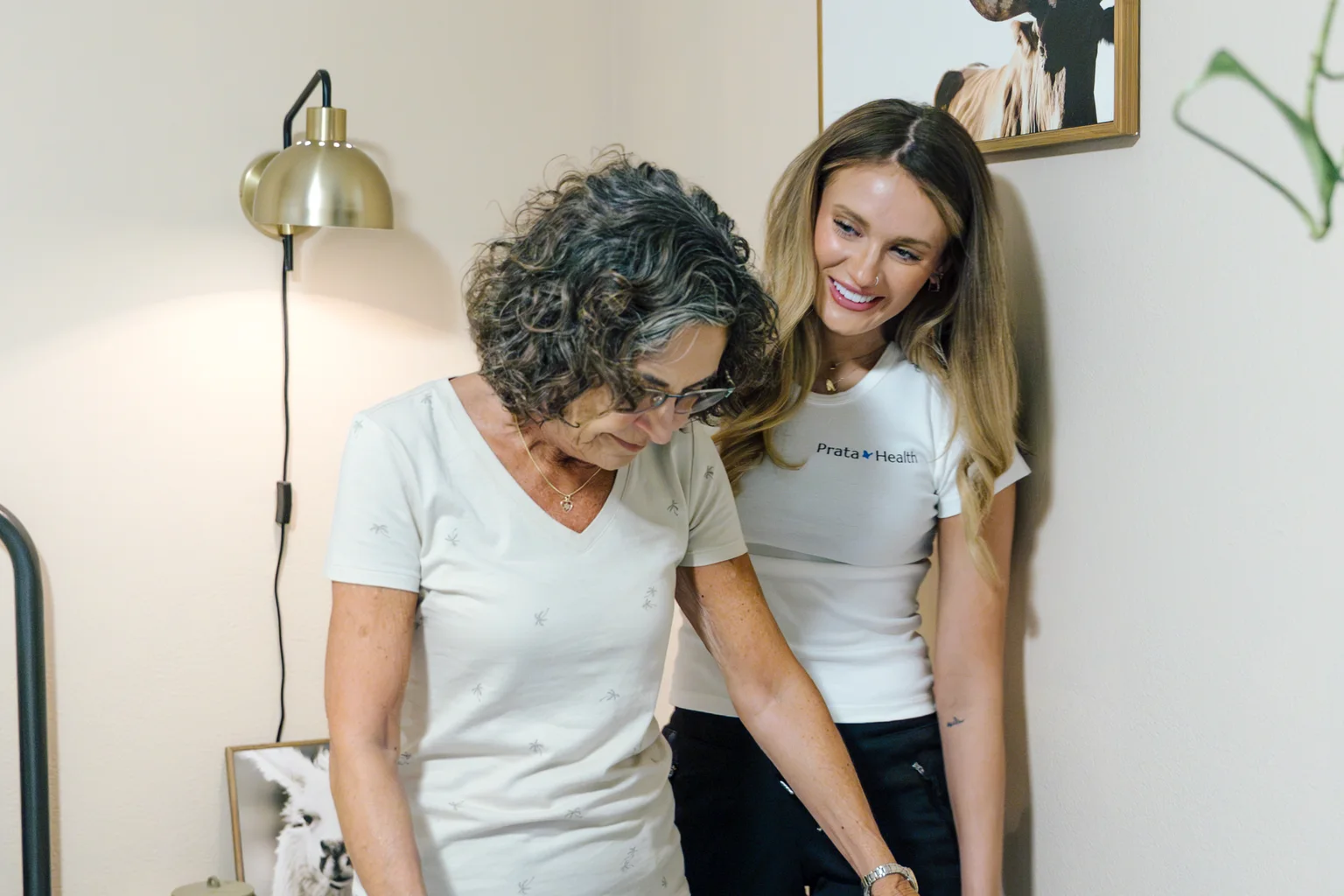
Yes. A private nurse works alongside hospice, not instead of it. Hospice remains the clinical authority for the terminal diagnosis, ordering medications, setting the plan of care, and coordinating with the physician. A private duty registered nurse layers continuous, in-home coverage on top of that plan, so the family isn't the only line of defense between scheduled visits. This is the model our nursing services follow at Prata Health: one Registered Nurse who becomes part of the family, coordinates directly with the hospice team, and is present for the hours hospice cannot staff.
What Does a Private Duty Nurse Add That Hospice Doesn't Cover?
A private nurse adds continuous presence: monitoring comfort and symptoms in real time, administering medications on the schedule the hospice physician ordered, and catching changes early enough to call the hospice team before a small issue turns into a crisis or an unnecessary hospital visit. Just as importantly, a private nurse gives family caregivers permission to rest, grieve, or simply be present as a spouse or child instead of a shift worker. Where hospice visits are periodic check-ins, a private nurse provides the emotional steadiness and physical care that make each day more comfortable for patients and less exhausting for their loved ones.
Comparing options at this stage often comes down to seeing how our concierge nursing works alongside your loved one's current hospice team, which a conversation with an RN can map out before your family commits to anything.
Can a Private Nurse Handle Medications or Symptoms Between Hospice Visits?
In many cases, yes. A private duty nurse administers medications from the hospice-approved plan of care, monitors pain and other symptoms, and documents changes to relay to the hospice nurse. The private nurse doesn't replace the hospice team's authority over the medical plan, they extend it into the hours the hospice team can't physically cover. Exact scope depends on state nurse practice rules and each hospice's coordination policies, so this is usually confirmed directly with both teams before care begins.
Paying for Private Nursing With Hospice
Does Medicare or Insurance Cover Private Nursing With Hospice?
Medicare's hospice benefit covers the services, medications, and equipment related to a patient's terminal diagnosis, delivered through the hospice team. It generally does not cover a separate, continuous private duty nurse. Some long-term care insurance policies reimburse for skilled nursing hours in the home, so it's worth checking a policy's language on private duty or skilled nursing benefits before assuming what is or isn't covered.
How Much Does Private Duty Nursing Cost on Top of Hospice?
Cost depends on the hours needed, the level of nursing required, and how the care is structured, so there isn't one number that applies to every family. The most reliable way to understand what private duty nursing would cost for a specific situation is a conversation about the hours, condition, and home setting involved, rather than a generic estimate.
Who Pays for a Private Nurse During Hospice Care?
Most families pay privately for hours that fall outside what Medicare's hospice benefit or a long-term care policy covers. Veterans and surviving spouses may qualify for VA Aid and Attendance benefits that help offset in-home care costs, and some families use a combination of savings, insurance reimbursement, and family contribution. Because every family's coverage looks different, it's worth reviewing the specifics with both the hospice's financial counselor and a private nursing provider.
How Do I Add a Private Nurse to an Existing Hospice Care Plan?
Adding a private nurse usually starts with a conversation about the current hospice plan of care: which agency is involved, what the visit schedule looks like, and where the family is feeling the most strain. From there, a Registered Nurse reviews that plan, coordinates directly with the hospice team and physician so nothing is duplicated or contradicted, and builds a private duty schedule around the gaps: nights, weekends, or simply more hands during the day. Most families can add this layer of support within days of reaching out, without disrupting hospice services already in place.
Add the Support Your Family Needs Between Hospice Visits
If the hours between hospice nurse visits are the hardest part of caring for your loved one, that gap is exactly what a private Registered Nurse is built to close. Request a Consultation to talk through your family's hospice plan and where continuous, in-home nursing is needed most.